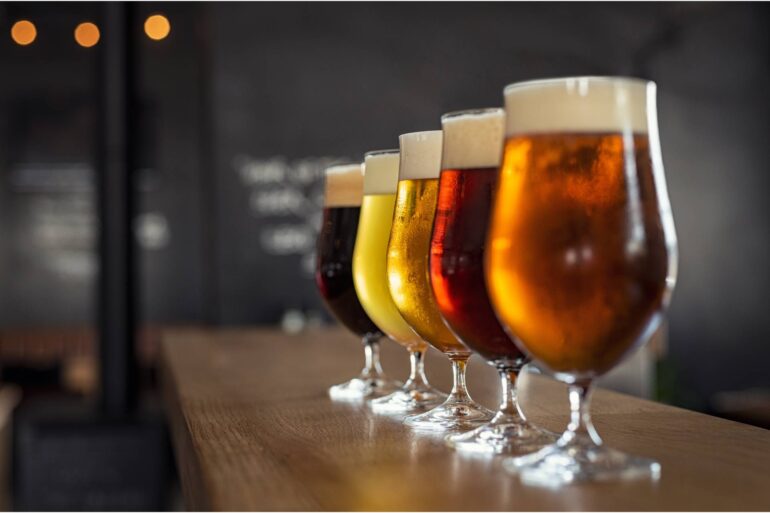
The beauty of craft beer lies in the endless possibilities for innovation and experimentation. Experimenting with fruits, spices, herbs, and other exotic ingredients allows you to test and expand your brews’ ingenuity. Meddling with and perfecting your brews is a pursuit that blends art and science. Read on for some helpful tips to get started infusing your craft beer with unique flavors.
Understanding the Base Beer
A good flavored beer starts with the right base. A solid foundation ensures that the infused flavors will blend harmoniously without overpowering the original drink’s character. Consider styles that naturally lend themselves to adaptation, such as pale ales, porters, and wheat beers. Each base offers distinct qualities and contributes differently to the final profile of your infused beer.
Selecting the Right Ingredients
Once you’ve settled on a base beer, select complementary ingredients for the infusion. The key is to balance subtlety and intensity, ensuring the added flavors enhance rather than mask the beer’s character.
Begin by exploring various spices, herbs, fruits, and even botanicals. Tropical fruits (like mango and passion fruit) can introduce a juicy twist, while spices (like cinnamon and cardamom) add depth. For a botanical approach, consider lavender or rosemary. These offer a sophisticated, aromatic layer.
Experimenting With Barrel Aging
Learning how to brew beer for barrel aging is crucial to introducing nuanced flavors such as oak, vanilla, and bourbon. The interaction between the beer and the wood can create a layer of complexity that is both smooth and captivating.
Be mindful of the choice of barrels, as each type (whiskey, wine, or brandy barrel) imparts its distinct profile. Barrel aging requires patience but is highly rewarding, producing a truly one-of-a-kind brew.
Other Techniques for Infusion
Other than barrel aging, different infusion techniques can yield varied results, and the choice relies heavily on your desired outcome. Dry hopping is popular for adding a bold hop aroma without overwhelming bitterness, and you can combine it with citrus peels for added zing. On the other hand, cold infusion works particularly well for delicate aromas and maintains a clean finish. Finally, co-fermentation, which involves adding flavor elements during the fermentation process, can yield more integrated and complex flavors.
Balancing and Final Tasting
The final stage of flavor infusion is balancing and tasting to guarantee all elements integrate harmoniously. After infusion, allow the beer to condition, giving time for flavors to meld. Tasting at regular intervals can help you determine if the flavors have the desired notes or require adjustment. Then, you can use techniques like blending to address flavor imbalances, allowing you to achieve a seamless taste profile. This stage is both art and science, as palate preferences differ, and precision is essential.
By following these steps, you can infuse craft beers with unique flavors. This process of brewing celebrates creativity, blending tradition with exploration to achieve special and delicious results.