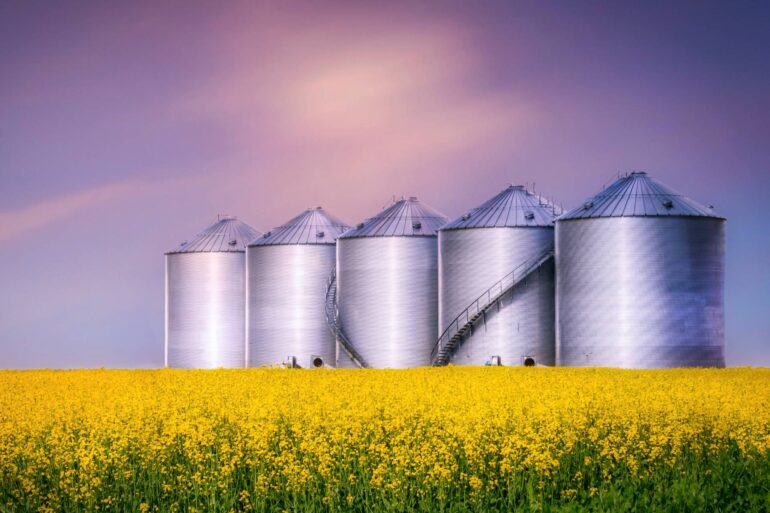
Confined agricultural spaces pose serious risks to farmers and farmworkers when not addressed properly. These spaces are small, enclosed areas that can make it difficult to enter or exit and are often not designed for continuous human occupancy.
Silos, grain bins, manure pits, and wells are commonly encountered in farming operations and carry specific dangers. This post will guide farmers to work safely in confined agricultural spaces and comply with regulations to protect themselves and their teams.
Common Confined Spaces
Farmers work with various confined spaces in their daily operations, each with its challenges. Silos and grain bins are great for storage, but they can quickly become dangerous when gases or fumes accumulate or when grain shifts unexpectedly. Manure pits might collect harmful gases like ammonia or hydrogen sulfide, which can reach toxic levels. Though seemingly harmless, wells can have oxygen-deficient environments and pose falling risks. Farmers must approach these spaces with full awareness of the hazards involved.
Identifying Hazards
Each confined space comes with unique risks. The lack of oxygen in certain environments can lead to suffocation, while the presence of toxic gases, such as carbon dioxide or methane, increases the threat of poisoning. Grain bins and silos, in particular, pose engulfment risks, where a worker may sink into shifting grain and become trapped. By implementing proper protocols, farmers keeping these risks in mind can significantly reduce fatal accidents.
Crucial Safety Measures
Safety begins with preparation. Ventilating confined spaces before entry helps disperse toxic gases and improves breathable air quality. Farmers should use portable gas monitors to check oxygen and gas levels before entering space. Air monitoring acts as a frontline defense against invisible hazards. Lockout/tagout procedures require attention and consistency to prevent machine activation while workers are in confined spaces, offering an added layer of protection for those involved.
Planning Emergency Procedures
Farmers must prepare for the unexpected by having clear rescue plans in place. Assign individuals specific roles in the case of an emergency and keep emergency equipment, such as harnesses or winches, easily accessible. Communication tools like radios allow for fast coordination in critical moments. Acting quickly during emergencies reduces response time and ensures that all workers receive timely assistance.
Regulations and Compliance Requirements
OSHA standards provide valuable guidance to protect workers in confined spaces. Farmers should identify the confined spaces on their property, regularly review regulations, and use recommended safety protocols to remain compliant. Fines and penalties may be enforceable for failing to meet these safety standards, making compliance necessary and beneficial for long-term agricultural operations.
Confined spaces in agriculture are hazardous, but you can manage them safely with proper preparation. Farmers must identify risks, follow safety practices, and develop emergency plans to protect themselves and their workers. For additional support, consult OSHA guidelines or contact agricultural safety experts in your area. Prioritize safety to keep farming operations running while safeguarding lives.