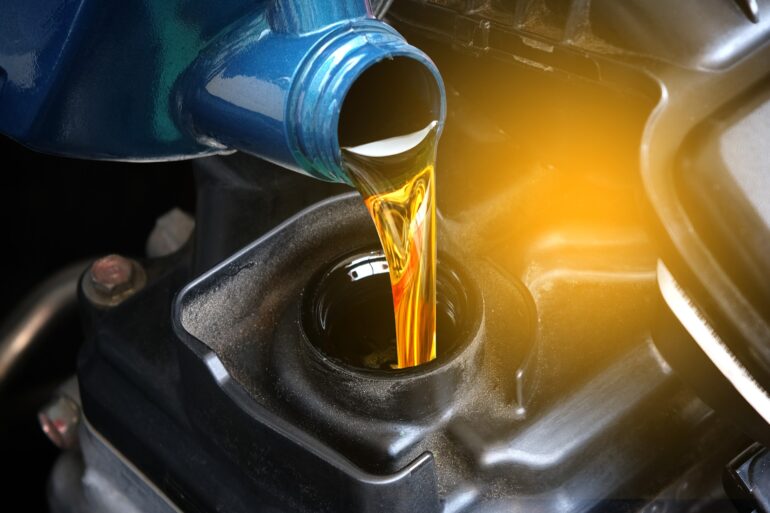
Picking the right engine oil for your car might seem overwhelming, but it doesn’t have to be. With so many options available, understanding which oil is best for your vehicle will help keep your engine running smoothly and efficiently. Here’s a simple guide to help you make the right choice for your car’s needs.
Understand Your Car’s Manual
The first step in finding the right engine oil is flipping through your car’s manual. It’s the ultimate go-to source for recommendations specific to your vehicle. The manual will outline the type, grade, and specifications of engine oils that your car can use. It’s important not to deviate too far from these guidelines, as using the wrong oil can reduce performance and potentially damage your engine.
Consider Your Driving Conditions
How you drive and where you drive play a significant role in selecting engine oil. Frequent short city trips involve more stop-and-go traffic, which can strain your engine and may require oils designed for high-stress conditions. On the other hand, highway driving at a consistent speed might allow you to use standard-grade oils.
Don’t forget about the climate! If you live in an area with extreme heat or freezing temperatures, seasonal or weather-specific oils can make a difference in how your car performs.
Viscosity Grades Explained
You’ve probably seen numbers like “5W-30” printed on oil containers, but what do they mean? These are viscosity grades, representing the thickness of the oil at different temperatures. The first number indicates the oil’s flow in cold conditions, while the second number shows how it performs in heat. Thinner oils work better in cold starts, while thicker oils can maintain their protective coating under high temperatures. Consulting your manual can help you decide which grade suits your car best.
Synthetic vs. Conventional Oil
When it comes to choosing between synthetic and conventional oil, it’s worth weighing the pros and cons. Synthetic oils can provide better protection, resist temperature extremes, and last longer between oil changes. They’re especially great if you want to reduce engine wear over time. Conventional oils, while more affordable, require more frequent changes and may not offer the same level of protection in harsh driving conditions. High-performance and modern engines often benefit from synthetic oils, but always consider your vehicle’s specific requirements before switching.
Check for Certifications
When buying engine oil, consider certifications such as API (American Petroleum Institute) or ACEA (European Automobile Manufacturers’ Association) approvals. These labels confirm that the oil meets industry standards and is compatible with most vehicles. Certifications are important because they indicate the oil’s quality, helping you avoid substandard products that might harm your engine or lead to issues like engine oil aeration.
Picking the right engine oil comes down to understanding your car’s needs and driving habits. A little research upfront goes a long way in keeping your engine in top shape.