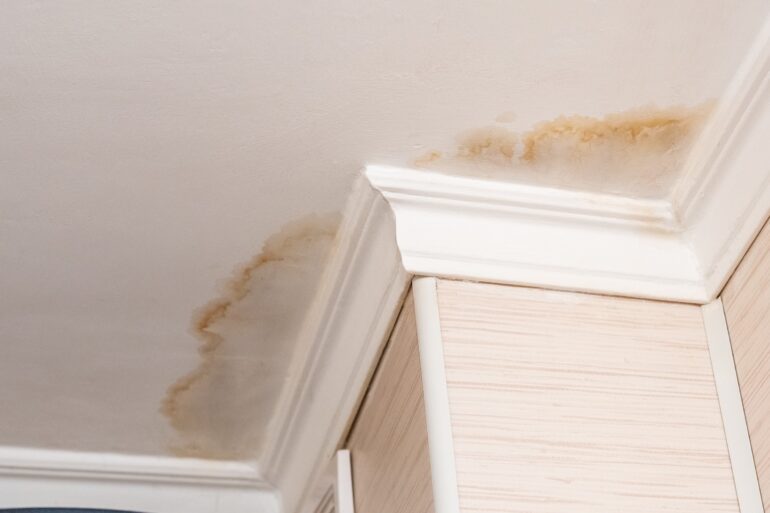
When moisture leaks or builds up in attics or upper floors, it causes faded tan or yellow spots on the ceiling. If you find these splotches in your home, don’t ignore them. Addressing the source of the moisture as soon as possible will prevent extensive structural damage and mold growth. Learn the common causes of water stains on ceilings and what to do to fix the problem.
Faulty Pipes
Burst or leaking pipes hidden behind walls or ceilings can release a steady stream of water. Over time, this moisture seeps into the ceiling, creating unsightly stains and weakening the material. If left unchecked, the issue can lead to mold or ceiling collapse.
To identify the leak, look closely for damp spots, bubbling paint, or water streaks, and listen for dripping sounds. Plumbers can trace the source by inspecting pipes, appliances, or roofing above the stain for visible damage or pooling water. Once the leak is pinpointed, they will turn off the water supply and repair the pipe.
Fixing the Ceiling
After addressing the source of the water stain, start repairing the ceiling by thoroughly drying the affected area. Next, scrape away any peeling paint or damaged drywall to create a smooth surface for repairs. Apply a stain-blocking primer to prevent the water stain from bleeding through the new paint. Finally, finish by patching any cracks, sanding the area smooth, and repainting the ceiling to match the rest of the room.
A Worn or Damaged Roof
Did the stains appear after a heavy downpour? If so, your roof could be the culprit. Leaks from missing shingles, cracked flashing, or clogged gutters allow rainwater to find its way inside. Water spots on the ceiling are one of the most common interior signs of roof damage. Over time, these leaks create dark, damp patches on your ceiling.
Roofing professionals will inspect the roof and repair or replace materials to make the surface watertight. They may also clean and unclog gutters for proper water drainage and to reinforce vulnerable roof sections. Once the roof repairs are complete, homeowners can fix their ceiling by drying it thoroughly, patching any holes or cracks, and repainting it.
Inadequate Ventilation
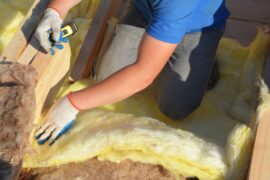
Poor ventilation is a sneaky cause of ceiling stains, especially in bathrooms and attics. When moist air doesn’t have a way to escape, it condenses on cooler surfaces, eventually soaking into your ceiling. This often results in yellow or brown stains and creates ideal conditions for mold growth.
To fix ventilation issues in homes, you can contact HVAC (heating, ventilation, and air conditioning) specialists. These professionals can assess your home’s airflow, repair malfunctioning exhaust fans, and suggest or install better ventilation systems like ridge vents or attic fans. Once airflow improves, you can repair the ceiling.
The common causes of ceiling water stains often point to larger issues, such as leaking pipes, roof damage, or poor airflow within your home. Addressing these issues promptly prevents additional damage and creates a safer, more comfortable living space. Act as soon as you can to protect your home’s longevity and value.