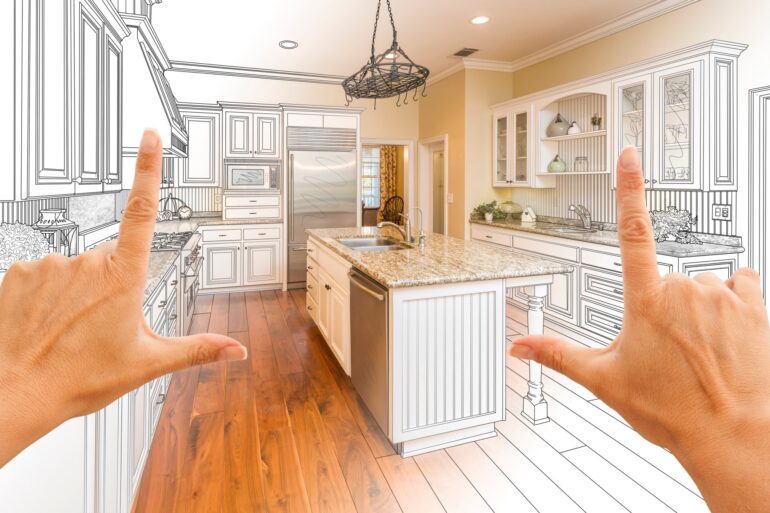
Creating a space that feels uniquely yours can be an exciting project. Many find it advantageous to use a cohesive theme that ties everything together in their homes.
This strategy helps turn a collection of rooms into a unified and stylish living space. Read on to learn several tips for developing a design theme for your home.
Start with a Central Inspiration Piece
Find one thing you absolutely love and build your theme around it. This could be a piece of art, a patterned rug, a favorite piece of furniture, or even a stunning view from a window.
Use the overall mood of this inspiration piece as your guide. This approach simplifies decision-making and ensures your design has a personal and meaningful anchor.
Choose a Consistent Color Palette
Another tip for developing a design theme for your home is to choose a color palette. Select three to five colors and use them in varying amounts throughout your home.
A common strategy is the 60-30-10 rule: 60% for a dominant color (like walls), 30% for a secondary color (furniture, curtains), and 10% for an accent color (pillows, decor). This creates balance and allows you to introduce pops of color without overwhelming the space.
Focus on Repetitive Elements
Repeating certain elements, materials, or shapes creates a sense of rhythm and connection between rooms. This could mean using the same wood tone for the living room furniture and the hallway picture frames. Even small details, such as the different types of cabinet hardware you use, can reinforce your chosen theme.
Blend Textures and Materials
A successful design theme engages more than just the eyes. Incorporate a variety of textures to add depth and interest to your home.
Mix soft materials like velvet and wool with harder surfaces like wood, metal, or stone. A living room might feature a plush rug, smooth leather accents, and a rough-hewn wooden coffee table to create a rich, layered look that feels inviting and thoughtfully designed.
Define Your Style, But Allow for Flexibility
Identify a core design style that resonates with you, whether it’s modern, traditional, bohemian, or industrial. Use this as your guiding principle, but don’t be afraid to mix in elements from other styles to add personality.
A home that follows a design theme too rigidly can feel sterile. The most beautiful spaces often blend styles to reflect the homeowner’s unique taste and life experiences.
By following these guidelines, you can create a personalized design theme that makes your house feel like a home. Focus on creating a consistent flow from room to room while allowing each space to have its own character. Ultimately, a well-executed theme tells your story and turns your home into a place you truly love.