When temperatures rise, staying comfortable in your home can be a daily challenge. That makes it important to know how to prepare your home for these conditions. Review these tips for ensuring your home can handle the summer heat.
Start With Your Insulation
Many people associate insulation with winter, yet it plays an equally important role during warmer months. Good insulation slows heat transfer, keeping hot air outside where it belongs. If your home struggles to stay cool, it may be worth considering upgrading what’s behind your walls or in your loft.
Fortunately, you have many options, including fiberglass and spray-foam insulation. Understanding which works best will help you meet your comfort goals.
Add Reflective Roofing or Coatings
Your roof takes the brunt of the summer sun, which means it plays a major role in how much heat enters your home. Traditional roofing materials tend to absorb heat, gradually transferring it indoors throughout the day. Switching to reflective roofing materials or applying a cool roof coating can significantly reduce this effect.
These surfaces reflect more sunlight and absorb less heat, helping to maintain a lower indoor temperature. Although this type of upgrade requires an upfront investment, it often pays off through improved comfort and reduced reliance on cooling systems over time.
Invest in External Shading
Adding external shading is one of the most effective structural ways to control indoor temperatures while also improving your home over the long term. Unlike curtains or blinds, which block sunlight after it has already entered your home, external solutions stop heat from entering before it reaches your windows.
Options such as awnings, pergolas, shutters, or shade sails can dramatically reduce solar gain, especially on south or west-facing sides of the home. These additions help keep interiors cooler and make outdoor areas more usable during warmer months.
For a more natural approach, planting trees or adding climbing plants near sun-exposed walls creates shade that becomes more effective over time. As greenery matures, it provides an extra layer of insulation against heat while contributing to a more sustainable, garden-friendly space.
Purchase New Fans
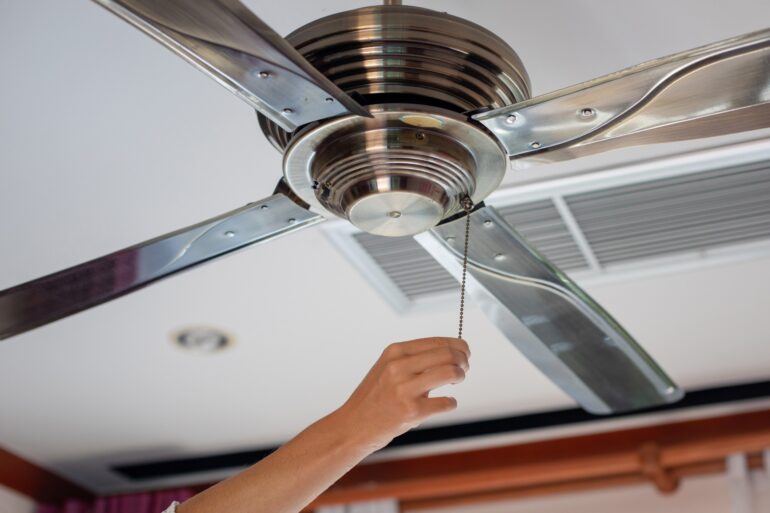
One last tip for ensuring your home can handle the summer heat is to buy fans. Although fans do not lower the temperature, they make rooms feel cooler by improving air movement.
Ceiling fans work best when they rotate counterclockwise in summer, pushing air downward to create a breeze effect. Positioning portable fans near windows in the evening can also help pull cooler air inside while pushing warmer air out.
Preparing your home for summer heat often involves a mix of quick wins and more substantial upgrades. By investing in these improvements, you can create a cooler, more efficient space that performs better year after year.