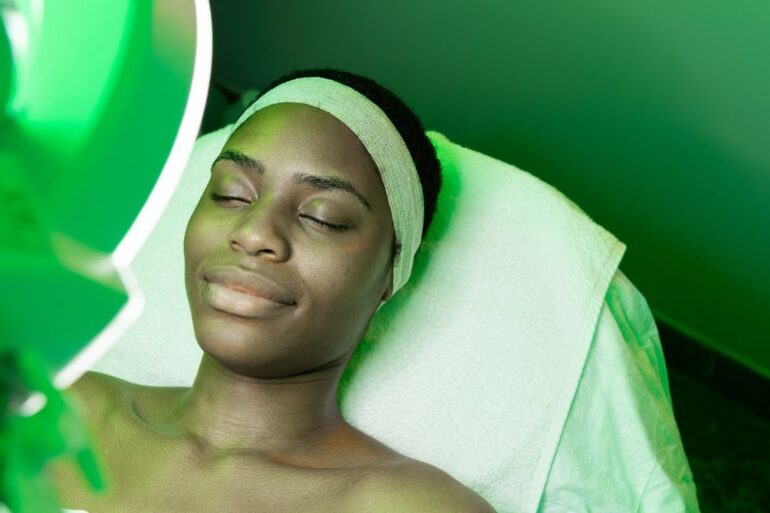
Radiant skin rarely comes from a one-size-fits-all approach. Expertise lies in nuance, detail, and personalization. That is exactly why beauty technicians factor skin tone into treatments from the very first consultation.
Pigmentation influences how the skin reacts to heat, light, exfoliation, and even injectable techniques. Ignoring that variable risks irritation, changes, or uneven results. Skilled professionals read the needs of a patient’s skin and adjust every step to suit its unique characteristics.
Skin Tone and Treatment Response
Melanin plays the starring role in this conversation. Higher melanin levels can make skin more reactive to certain technologies, especially those involving heat or light energy. Additionally, while lower melanin levels may tolerate intensity differently, they can still present sensitivity in other ways.
Laser-based treatments offer a clear example. Earlier devices struggled to distinguish between pigment in hair follicles and pigment in darker skin tones. The nature of the devices could lead to skin damage, leading beauty technicians to advise against the treatments for many patients seeking smooth skin. Fortunately, modern advancements reflect the evolution of laser hair removal for patients with dark skin, allowing for greater precision and significantly reduced risk.
Chemical exfoliation has evolved right alongside laser treatment. Strong acids once had a reputation for triggering post-inflammatory hyperpigmentation in deeper skin tones. New, customized formulas and informed application times prevent that outcome and finally deliver the signature glow many patients are after.
Technology Has Become More Inclusive
A quiet revolution has reshaped the aesthetics industry. Devices now feature adjustable wavelengths, cooling mechanisms, and smarter targeting systems. These upgrades make treatments safer across a wider spectrum of skin tones.
Practitioners no longer rely solely on generalized protocols. Instead, they tailor settings with surgical precision. A laser facial, for instance, might use gentler passes or different energy levels depending on the client’s complexion. Anyone preparing for their first laser facial should expect this level of personalization as the standard.
The Art of Customization
Technique matters just as much as technology. Experienced providers combine clinical knowledge with aesthetic judgment to create results that look effortless.
Luxury skincare today feels less like a routine and more like a curated experience. Every detail reflects intentional choices designed to enhance natural beauty rather than override it.
Preventing Complications Before They Start
A preventative mindset separates average treatments from exceptional ones. Skin tone assessment allows technicians to anticipate how the skin might respond rather than react afterward.
Hyperpigmentation, hypopigmentation, and prolonged redness are among the most common concerns. A thorough consultation and proper calibration work together to significantly minimize these risks. In the end, clients benefit from smoother healing, more consistent results, and a noticeably elevated experience compared to what they may have experienced in the past.
A More Thoughtful Approach to Beauty
Modern aesthetics celebrates individuality. Today’s treatments now focus on personalization rather than standardization, embracing the diversity of skin tones as an essential factor in care.
Precision, safety, and artistry intersect in every appointment. That thoughtful approach ultimately defines why beauty technicians factor skin tone into treatments—not as an extra step, but as the foundation of truly refined skincare.