Mold is more than a mere inconvenience. It can have serious consequences for your home and health. If you’ve noticed those unwelcome patches of black or green in your bathroom or basement, it’s time to act.
Mold doesn’t just look bad; it can damage your home’s structure and affect your health. Luckily, there are effective ways to tackle this problem head-on. We’ll break down the best ways to eliminate mold and keep your home safe and fresh.
Identify the Culprit
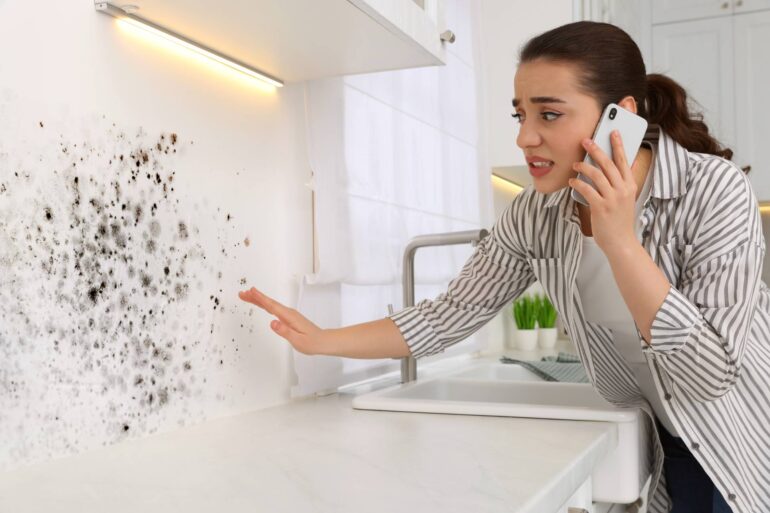
The first step to eliminating mold is to find it. Mold thrives in damp, dark places, so check your home carefully. Look for discolored spots on walls, ceilings, and floors. Pay special attention to areas prone to moisture, like kitchens and bathrooms.
Mold is one of the common causes of bad odors in the home, so trust your nose, too. A musty smell often indicates hidden mold. Once you’ve identified the moldy areas, assess the extent of the infestation.
Small patches can often be managed with household cleaners. For larger infestations, you might need professional help. Knowing where mold hides helps you target your cleaning efforts more effectively. It prevents future outbreaks, too.
Dry It Out
Mold loves moisture, so reducing humidity is crucial. Start by fixing any leaks or drips in your home. Check plumbing and roofing for issues that might allow moisture to enter. Use dehumidifiers to reduce moisture levels in damp areas. These machines are particularly useful in basements, which are prone to mold.
Ventilation is another key factor. Make sure your home has good airflow by opening windows and using exhaust fans when showering or cooking. This helps prevent moisture buildup and keeps mold at bay. Keeping your home dry and well-ventilated makes it less inviting for mold.
Clean With the Right Products
Not all cleaning products are equal when it comes to tackling mold. Bleach solutions work well on non-porous surfaces like tiles. Vinegar is a natural alternative that can kill mold on various surfaces. For porous materials, like drywall, consider specific mold-killing cleaners available in stores.
Always wear protective gear when cleaning mold. Gloves and masks will protect you from harmful spores. Follow instructions on cleaning products carefully to ensure effectiveness. Regular cleaning with the right products will keep mold from returning.
Dispose of Moldy Materials
Sometimes, cleaning isn’t enough. If mold has penetrated deeply into materials like carpet or wood, replacement might be necessary. Mold can weaken these structures, which causes damage over time. Removing and replacing affected materials can be more effective than attempting to clean them.
Bag up moldy materials securely before disposing of them. This prevents spores from spreading to other parts of your home. Once removed, clean the surrounding area thoroughly. Ensuring moldy materials are properly disposed of helps eliminate the risk of regrowth.
Prevent Future Growth
Preventing mold is easier than dealing with an infestation. Regular maintenance and vigilance are key. Inspect your home for leaks and repair them promptly. Keep humidity levels low, especially in areas like bathrooms and basements.
Consider using mold-resistant products in high-risk areas. Mold-resistant paint and drywall can add an extra layer of protection. Routine cleaning and maintenance will also deter mold growth. By staying proactive, you can keep your home mold-free and safe.
Eliminating mold from your home involves a combination of detection, cleaning, and prevention. By following these strategies, you can maintain a healthy living environment and prevent damage. Addressing mold issues promptly protects both your home and your health from the harmful effects of mold.