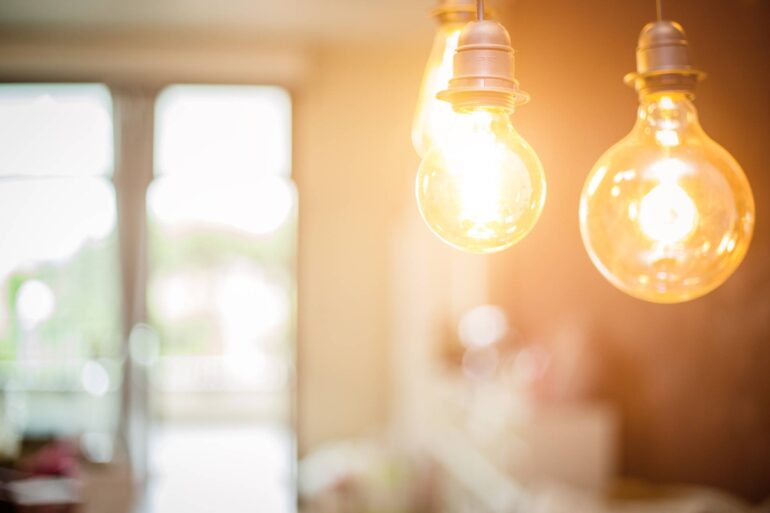
When it comes to creating an energy-efficient and inviting home, balancing natural daylight with automated lighting is a practical and modern approach. The sun provides free, full-spectrum light you can’t beat, while smart lighting systems step in to fill the gaps when natural light fades.
Interested in making the most of this harmony? Explore how to balance natural and automated light to improve your home’s ambience, enhance energy savings, and make life a little simpler.
Maximize the Power of Natural Light
Natural light brightens homes and improves health by influencing mood, regulating circadian rhythms, and boosting cognitive function.
To maximize natural light in your home, you must first evaluate how sunlight enters and how much of it your interior receives. Observe which rooms receive abundant sunlight and which stay dim, taking note of window sizes and placements.
Where possible, consider installing larger windows or skylights to maximize sun exposure in key living spaces. Additionally, lightweight window treatments, such as sheer curtains, allow you to maintain natural illumination while preserving privacy. Furthermore, keep windows clean and uncluttered.
Where Automated Lighting Comes Into Play
Sunlight may be abundant during the day, but it’s unreliable after hours or on cloudy afternoons. This is where automated lighting steps in. Automated home lighting will change your life because it can adapt to the time of day, your routines, and even weather conditions to ensure your home is always well-lit without wasting energy.
Energy-efficient controls like scheduled lighting and dimmers are also cost-effective because the lights only turn on when you need them. For instance, you can program lights to dim as natural light rises and brighten when sunlight is low.
You can even choose smart bulbs with features like adjustable color temperatures to mimic the natural lighting cycle. Warmer tones promote relaxation in the evening, while cooler tones boost focus during daytime tasks, aligning with the body’s circadian rhythm.
Combining Natural and Automated Light
Balancing natural light and automation is all about synchronizing their strengths. One practical strategy is to create zones in your home where both light sources work together seamlessly.
For instance, you could install smart bulbs or fixtures in bathrooms or basements with limited sunlight while relying on natural light in sunny spots like your living room or kitchen. You can also pair smart window treatments like motorized blinds or shades with your lighting system so they open and close based on the time of day or sunlight intensity.
A Brighter, Smarter Home
Relying on sunlight during the day cuts electricity costs, while automated systems prevent unnecessary power usage by ensuring lights are only on when needed. When you know how to balance natural and automated light, you can make your home an eco-friendly, functional, bright reflection of comfort and innovation.