Rain often reveals repairs you put off months ago. A loose gutter might drip by the front door, or water could slip through an old window seal and leave a damp spot on the sill. When that happens, a small issue can start to affect your daily life at home.
You do not have to fix everything at once. Start with the areas that already show signs of wear, then move on to the rest before the rainy weeks begin. Here are some home repairs to consider before the next rainy season.
Repair Gutters Before Heavy Rain Arrives
Your gutters help move rain away from the walls, protecting your home’s exterior when the weather stays wet for days. If you get the chance, watch the gutters during a light shower. Look for water spilling over one section or dripping through a joint. Those signs usually point to a blockage or a connection that needs attention.
While checking, look for any sagging sections. A loose bracket can cause the gutter to drop, making a low spot where water collects instead of flowing to the downpipe. Make sure rain moves away from your house, not toward the walls.
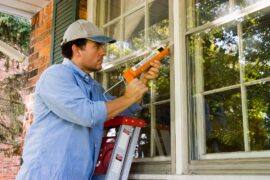
Seal Windows Before Water Finds a Way In
Windows usually give you a warning before a real leak starts. Look for peeling paint around the frame or a damp spot below the sill after it rains. Start outside. Check the sealant around the frame, and watch for any sections that have started pulling away. Cracked sealant can give rain a narrow opening to get in.
If the old sealant is damaged, remove the loose parts before adding new exterior sealant. Simply covering damaged material usually does not last.
Follow the Water Back to the Source
The stain you see indoors might sit below the actual entry point. Check the outside of the frame above the damp area. Water sometimes travels behind trim before showing up inside. Once you understand where it enters, you have a much better chance of fixing the right spot the first time.
Fix Damaged Roof Flashing Early
Roof leaks often begin where roofing materials meet another surface. Chimneys and vents need extra care because water tends to move toward those joints.
If you know how to spot damaged roof flashing, you can catch problems before rain leaks into your home. From the ground, check for metal that looks lifted or out of place, and look for any rusted areas too.
If you can safely get into the loft, check around chimneys after it has rained. Do not climb onto a wet or steep roof yourself. A professional has the right tools to inspect the problem safely, especially if the flashing is hard to see.
Clear Drains Before They Back Up
Once rain reaches ground level, you need somewhere for it to go. Blocked drains make an ordinary storm feel much worse because water starts collecting around the house instead.
Walk around your property and check the drains near patios or paved areas. Clear away any leaves or dirt covering the grates. If water still drains slowly, the blockage may be deeper in the system.
Before rainy weather settles in, check:
- Drain grates for leaves and dirt
- Downpipe outlets for blockages
- Paving that slopes towards the house
- Low areas where puddles linger
- Soil sitting too high against exterior walls
If you want a clearer picture of how your drainage behaves, check again after the next shower. Wet weather often shows you problems that stay hidden on a dry day.
Replace Failing Exterior Sealant
Exterior sealant protects the small joints where different materials meet. You often see it around windows or trim, and these narrow gaps face a lot of weather over time.
When sealant starts shrinking or pulling away, rain gains an easier path behind the finished surface. The problem might look minor from outside, yet repeated moisture creates much more work once it reaches the interior.
Run your eye along those joints and look for brittle sections. If the material crumbles when touched, replace it before another wet spell.
Check Brickwork and Pointing for Gaps
Brickwork usually handles rain well when the mortar joints stay in good condition. Once the pointing starts crumbling, though, moisture gets more opportunity to work into the wall. Walk around the exterior and look for gaps between bricks. You should also notice whether one area stays darker or wetter than the surrounding wall after rain.
A tiny surface mark does not always signal a serious issue. Larger gaps deserve more attention, especially if you see several in the same area. If the damage stays localised, a smaller repair might be enough. Widespread deterioration deserves a professional look because poor repointing sometimes traps moisture rather than solving the problem.
Improve Drainage Near Doors and Patios
Patios and paths shift slowly over time. A surface that once sent water away from the house might eventually start directing it back towards the door. Next time it rains, watch what happens near your entrances. If a puddle forms close to the threshold, take it seriously rather than assuming the water will always stay outside.
Sometimes a blocked drain causes the problem. In other cases, the paving itself needs adjustment so water starts moving in the right direction again. Door seals deserve a quick check, too. Worn material around the frame gives wind-driven rain an easier way inside. Replacing those seals also helps reduce draughts, so you get an extra benefit from the same repair.
Tackle the Small Repairs Before They Grow
Rainy weather tends to find every weak spot around your house. Once water gets in, the next storm will likely target the same place. As you work through these home repairs before the next rainy season, start with anything that lets water inside or leaves it sitting against your home.
Deal with that window seal before the damp mark spreads! You do not need to finish every home project before rainy weather arrives. Start with the repairs that protect the spaces your family uses every day.