Flood emergencies can change within minutes. Rising water can cut off roads, damage structures, hide debris, and create dangerous currents where none existed before. First responders often enter these unstable conditions while trying to reach stranded residents, protect communities, and support other emergency crews.
Flood response requires more than strong rescue skills. Responders also need to recognize hazards that can arise around them and adapt quickly as conditions shift. Water depth, contamination, electrical hazards, unstable structures, and poor visibility can all increase the danger.
Understanding the most common flood hazards helps response teams prepare for difficult conditions before they arrive on scene.
Fast-Moving Water
Moving water presents one of the most serious hazards during flood response. Even relatively shallow water can create enough force to knock a person off balance.
Flood currents can also move vehicles, trees, and large pieces of debris. Responders who enter moving water may struggle to maintain footing, especially when they can’t see the surface below them.
Conditions can change quickly after heavy rain upstream. A rescue area that seems manageable at first can become far more dangerous as water levels rise.
Responders should assess current speed and water depth before entering flooded areas. Teams also need clear communication so everyone understands changes in conditions as they occur.
Hidden Debris
Floodwater often hides sharp and unstable objects. Broken glass, metal fragments, tree branches, construction materials, and damaged fencing can sit just below the surface.
Responders may not see those hazards until they make contact with them. Submerged debris can cause cuts, punctures, or falls. Larger objects can also shift with the current and strike rescue personnel.
Proper protective clothing can reduce some of these risks. Teams should also move carefully through water when poor visibility makes it difficult to identify what lies beneath the surface.
Responders who have the right flood response gear can protect themselves more effectively from hidden hazards while still moving efficiently through demanding environments.
Contaminated Water
Floodwater can contain sewage, fuel, chemicals, animal waste, and other contaminants. When water flows through homes, businesses, farms, and industrial areas, it can carry hazardous materials with it.
Responders may face exposure through cuts, splashes, or prolonged skin contact. Contaminated water can also reach the eyes or mouth during rescue operations.
Protective gloves, suitable footwear, and water-resistant clothing can help reduce direct contact. Responders should also clean and disinfect equipment after working in contaminated areas.
Crews need to treat floodwater as potentially hazardous even when it looks clear. Visual appearance doesn’t reveal what the water contains.
Electrical Hazards
Flooding can create dangerous electrical conditions inside and around buildings. Water may reach outlets, wiring, appliances, generators, or utility equipment.
Responders should never assume that a flooded building has lost electrical power. Damaged power systems can still carry current.
Downed power lines create another major hazard. Water can conduct electricity across a wider area, which makes it difficult to judge where the danger begins.
First responders should coordinate with utility crews whenever electrical hazards may exist. Rescue teams also need to maintain safe distances from damaged power infrastructure until professionals confirm that the area is safe to approach.
Unstable Structures
Floodwater can weaken buildings quickly. Water can erode foundations, damage walls, loosen flooring, and compromise support systems.
Responders entering flooded structures may encounter sagging ceilings, unstable stairways, or weakened floors. A building that appears intact from the outside may contain significant internal damage.
Moving water can also wash soil away from foundations and create sudden shifts in structural stability.
Teams should assess building conditions before entering whenever time allows. Responders should also watch for cracking sounds, visible movement, or other signs that a structure may fail.
Road Washouts
Flooded roads can hide major damage below the waterline. Flowing water may wash away pavement or erode the soil beneath a road while leaving the surface partly intact.
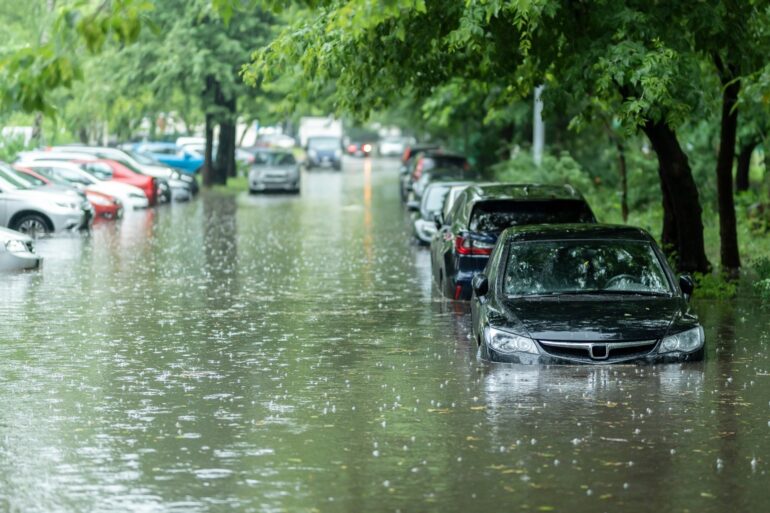
Vehicles can become trapped when drivers enter water that appears shallow. Responders face the same risk if they drive emergency vehicles into flooded areas without knowing the road condition.
A washed-out roadway may collapse under the weight of a vehicle. Currents can also push vehicles sideways if water moves across the road.
Response teams should avoid assuming that familiar roads remain safe during flooding. Alternate routes may reduce risk even if they require more travel time.
Poor Visibility
Flood emergencies often occur during heavy rain, storms, or nighttime conditions. Reduced visibility makes it harder to identify hazards and locate people who need assistance.
Rain can limit how far responders can see. Darkness creates additional challenges when floodwater covers road markings or changes the landscape.
Fog and spray can also interfere with visibility during boat operations. Responders may have trouble seeing debris or obstacles until they get close.
Strong lighting and clear communication help teams operate more safely in low-visibility conditions. Crews should also reduce travel speed when they can’t clearly identify the path ahead.
Cold Water Exposure
Floodwater temperatures can drop quickly during certain seasons or weather conditions. Responders who spend extended periods in cold water may lose body heat faster than expected.
Cold exposure can reduce coordination and strength. Those changes can make rescue tasks more difficult, especially when responders need to climb, swim, or handle equipment.
Protective clothing can help reduce heat loss. Teams should also rotate personnel when extended water exposure creates a risk of exhaustion or cold stress.
Responders need to watch one another for signs of reduced coordination or unusual behavior during long operations.
Exhaustion
Flood response can continue for many hours without a clear stopping point. Responders may perform rescues, carry equipment, navigate difficult terrain, and assist displaced residents throughout the same shift.
Physical fatigue can slow reaction time and reduce decision-making ability. Mental exhaustion can also make it harder to recognize hazards.
Command teams should monitor workloads and provide opportunities for rest when possible. Responders also need access to water, food, and appropriate shelter during extended operations.
A tired responder faces greater risk when working around unstable water, damaged structures, or heavy equipment.
Wildlife Encounters
Flooding can displace animals from their normal habitats. Snakes, rodents, insects, and other wildlife may seek dry ground in the same locations where responders operate.
Animals can hide inside debris piles, buildings, vehicles, or vegetation. Startled animals may bite or strike when responders unknowingly approach them.
Flooding can also displace pets and livestock. Frightened domestic animals may react unpredictably during rescue attempts.
Responders should remain cautious when moving objects or entering areas where animals may hide. Protective gloves and sturdy footwear can help reduce injury risks during unexpected encounters.
Communication Problems
Flooding can damage cellular towers, power systems, and other communication infrastructure. Crews may struggle to maintain contact across large response areas.
Noise from rain, engines, generators, or rushing water can also make verbal communication difficult.
Response teams need backup communication methods whenever possible. Radios, predetermined signals, and clearly assigned roles can help maintain coordination when normal communication becomes unreliable.
Teams should confirm instructions whenever noise or technical problems create uncertainty. Clear communication can prevent responders from entering hazardous areas without adequate support.
Vehicle Risks
Emergency vehicles face unique hazards during floods. Water can damage engines, electrical systems, and braking components.
Large vehicles may provide greater ground clearance, but that doesn’t make them immune to strong currents. Moving water can push even heavy vehicles off the road.
Mud and debris can also reduce traction. Responders may encounter blocked roads or unstable shoulders while trying to reach emergency scenes.
Drivers should evaluate road conditions continuously rather than relying on normal travel routes. A safe approach may change as flooding spreads.
Prepare for Changing Conditions
Flood response challenges first responders because hazards rarely occur in isolation. Fast water may combine with poor visibility, unstable structures, or electrical hazards. Conditions can also worsen quickly without much warning.
Preparation helps response teams manage those risks. Protective equipment, strong communication, route planning, and careful scene assessment can give responders more options when conditions change.
Flood emergencies will always carry risk, but responders can reduce unnecessary exposure by recognizing hazards before they escalate. When teams stay alert, communicate clearly, and adjust their tactics as conditions develop, they can protect themselves while continuing to serve the people who need them most.