
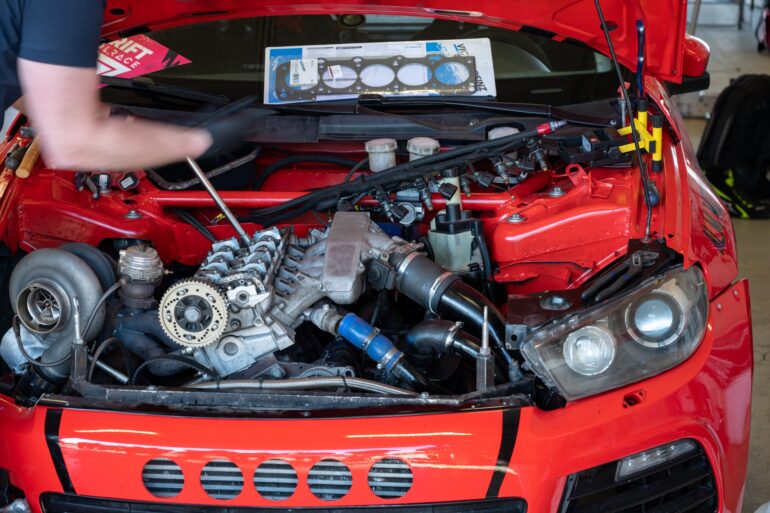
You want more power, but the Internet floods you with conflicting advice, overpriced parts, and exaggerated claims. It’s easy to waste money chasing gains that never show up on the dyno. However, engine performance improvements don’t have to feel like guesswork. When you focus on proven modifications, you can build real, noticeable power without unnecessary trial and error.
Airflow Upgrades That Deliver Real Gains
Every engine depends on airflow, so you should start here. When you improve how air enters and exits the engine, you unlock immediate performance potential. Intake systems, throttle bodies, headers, and exhaust upgrades all reduce restriction and improve efficiency.
Cars often benefit from higher-rev airflow tuning, while pickup trucks respond better to torque-focused airflow improvements. Trucks need low-end power for towing and hauling, so you should prioritize components that enhance mid-range performance rather than peak horsepower.
Tuning: Where Power Comes Together
No modification reaches its full potential without proper tuning. A well-calibrated tune adjusts fuel delivery, ignition timing, and boost levels to match your upgrades. Without it, you leave power on the table and risk poor drivability.
Modern cars and trucks rely heavily on ECU control, so tuning creates one of the biggest differences you’ll feel. For example, turbocharged trucks respond especially well to tuning adjustments that increase boost while maintaining safe air-fuel ratios.
Forced Induction: Big Power, Bigger Responsibility
If you want serious gains, forced induction changes everything. Turbochargers and superchargers compress incoming air, which allows the engine to burn more fuel and generate more power.
That said, cars and trucks approach forced induction differently. Sports cars often chase higher RPM horsepower, while trucks focus on usable torque across a wider range. You can see how these gains translate in real-world scenarios when tuning, airflow, and boost all work together to produce measurable increases, especially on turbocharged truck setups where torque and efficiency matter as much as peak output.
Support for Mods You Shouldn’t Ignore
You can’t just add power without supporting the rest of the system. If you skip these upgrades, performance suffers and reliability drops quickly:
- Fuel system upgrades to ensure consistent delivery under higher demand
- Cooling improvements to prevent overheating during aggressive driving
- Stronger internals to handle increased cylinder pressure and stress
- Transmission tuning or upgrades to improve power transfer and drivability
At the end of the day, engine performance modifications work best with balanced setups. You should avoid chasing single upgrades and instead focus on each part working together. Airflow, tuning, and power adders must align with your vehicle’s purpose.
Cars thrive on top-end performance and responsiveness, while trucks demand torque, durability, and consistency under load. When you match your modifications to how you drive, you’ll notice stronger acceleration, smoother power delivery, and a more reliable build.


