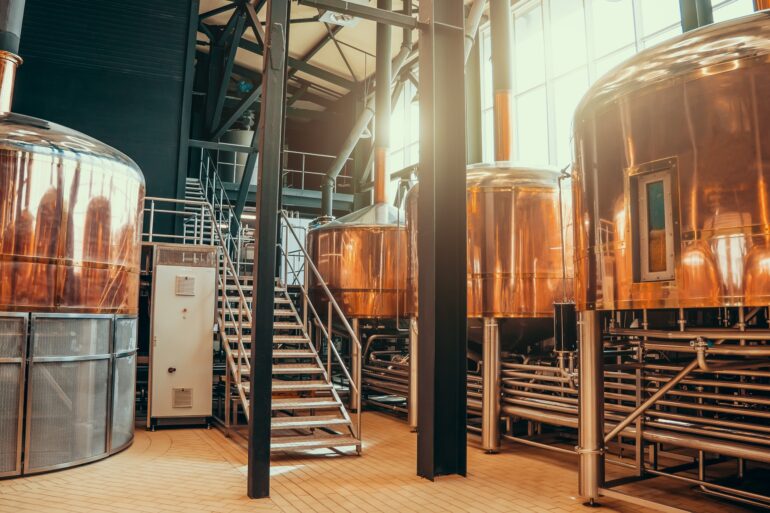
Most beer lovers know breweries need hops, malt, yeast, and water. But successful brewing operations require dozens of specialized components that rarely make headlines. These behind-the-scenes essentials keep production flowing smoothly and ensure every batch meets quality standards.
Learning about these overlooked necessities reveals the complexity behind your favorite craft beer and highlights why brewery operations demand more than just brewing knowledge. Here are a few things you didn’t know breweries needed for operations.
Water Treatment Systems Beyond Basic Filtration
Water makes up 95 percent of beer, yet many people underestimate the sophisticated treatment systems breweries require. Beyond standard filtration, breweries need precise pH adjustment equipment, mineral content analyzers, and chlorine removal systems.
Different beer styles demand specific water profiles. IPAs benefit from higher sulfate levels, while lagers require softer water. Breweries invest in reverse osmosis systems and mineral dosing equipment to create consistent water chemistry for each recipe.
Specialized Cleaning and Sanitation Equipment
Brewery cleanliness extends far beyond typical restaurant standards. Every surface that contacts beer requires specialized cleaning protocols using caustic solutions, acid rinses, and sanitizers.
Essential sanitation equipment includes:
- CIP (Clean-in-Place) systems that circulate cleaning solutions through tanks and lines.
- High-pressure spray balls for tank interiors.
- Chemical mixing stations to prepare cleaning solutions.
- Hot water recirculation systems to maintain precise temperatures.
These systems run multiple cycles daily, consuming significant time and resources that customers never see.
Quality Control Laboratory Instruments
Professional breweries maintain mini-laboratories equipped with sophisticated testing equipment. Microscopes identify wild yeast and bacterial contamination. Spectrophotometers measure color intensity and bitterness levels. pH meters and dissolved oxygen analyzers ensure chemical parameters stay within specifications.
Many breweries also use gas chromatography equipment to detect off-flavors and verify alcohol content. This laboratory work happens before, during, and after fermentation, requiring dedicated staff and expensive instruments.
Protective Linings and Specialized Materials
Brewery equipment faces constant exposure to acidic cleaning chemicals, high temperatures, and corrosive beer ingredients. Standard stainless steel tanks often require additional protection through specialized coatings and tank liners for breweries and food processing operations.
These protective systems prevent contamination, extend equipment life, and maintain product quality. Without proper linings, tanks develop microscopic pits that harbor bacteria and create off-flavors.
Temperature and Pressure Monitoring Systems
Fermentation requires precise temperature control, often within one degree tolerances. Breweries install networks of temperature sensors, automated valves, and glycol cooling systems throughout their facilities.
Pressure monitoring becomes critical during carbonation and packaging. Specialized gauges and automated relief systems prevent dangerous over-pressurization while maintaining proper CO2 levels.
Waste Treatment and Environmental Controls
Breweries generate substantial wastewater containing organic matter, cleaning chemicals, and suspended solids. Many municipalities require on-site pretreatment before wastewater enters public systems.
This involves pH adjustment tanks, dissolved air flotation systems, and biological treatment processes. Grain waste requires separate handling through specialized conveyance systems and storage solutions.
Learning about these hidden operational requirements adds new appreciation for craft beer complexity. Next time you visit a brewery, notice the maze of pipes, sensors, and control panels working behind the scenes.
These unseen systems represent significant investments that enable breweries to consistently produce the high-quality beer you enjoy. The craft brewing industry’s success depends as much on these operational essentials as it does on creative recipes and skilled brewers. Which of these things about brewery operations did you just learn about for the first time?