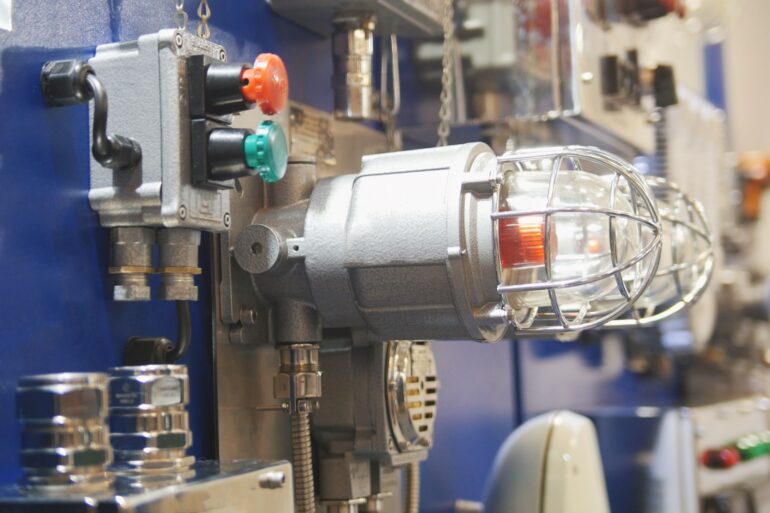
False alarms cost industrial facilities thousands of dollars every year in wasted time, unnecessary shutdowns, and decreased employee trust in safety systems. When alarms sound too frequently without real danger, workers start ignoring them, creating actual safety risks.
The good news is that facilities can dramatically reduce these nuisance alerts with the right strategies. The following tips for reducing false alarms in industrial facilities will help you identify common causes and implement practical solutions that keep your team safe while maintaining operational efficiency.
Regular Calibration and Maintenance
Equipment drift remains one of the leading causes of false alarms in manufacturing and processing environments. Sensors lose their accuracy over time due to exposure to harsh conditions, dust, moisture, and temperature fluctuations. Establishing a strict calibration schedule prevents these issues before they trigger unnecessary alerts.
Maintenance teams should inspect detectors monthly and replace worn components immediately. Document all calibration activity to identify patterns and problematic equipment. Clean sensors perform better and last longer, so include thorough cleaning in your maintenance protocols. When you invest time in preventive care, your detection systems reward you with reliable performance.
Smart Alarm Threshold Settings
Many facilities set alarm thresholds too conservatively, which generates excessive alerts during normal operational variations. Analyze your historical data to establish realistic trigger points that account for typical fluctuations in your environment.
The role of data analytics in gas monitoring systems helps identify patterns and optimize these settings for your specific conditions. Implement multiple alarm levels, advisory, warning, and critical, so that operators can respond appropriately to different situations.
Adjust these thresholds seasonally if your facility experiences significant environmental changes throughout the year. Testing new settings in controlled conditions ensures they work effectively before full implementation.
Employee Training and Awareness
Well-trained staff can distinguish between legitimate threats and equipment malfunctions more quickly than automated systems alone. Operators who understand how detection systems work can identify false positives and take corrective action immediately. Regular training sessions should cover proper equipment handling, common causes of false alarms, and appropriate response procedures.
Encourage workers to report unusual alarm patterns so technicians can investigate potential system issues. Create a culture where safety remains the priority, but employees feel empowered to question suspicious alerts. Knowledge transforms your workforce into an additional layer of protection against both false alarms and real hazards.
Building a Safer, Smarter Facility: The Path Forward
Reducing false alarms requires an ongoing commitment to maintenance, making good use of innovative technology, and employee education. These tips for reducing false alarms in industrial facilities provide a foundation for building more reliable detection systems that protect workers without causing alarm fatigue.
Start by auditing your current alarm frequency and identifying the most significant problem areas. Implement changes gradually and measure their impact on both false alarm rates and overall safety performance. Your facility will benefit from improved productivity, lower costs, and a safety culture where everyone trusts the warning systems that protect them every day.