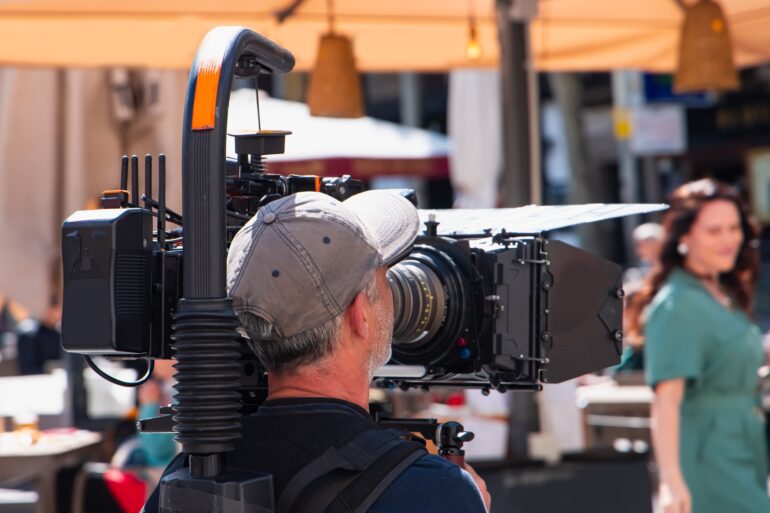
Remote productions demand smart planning and steady execution. A producer’s guide to remote shoot logistics includes practical steps for managing locations, crews, and equipment without chaos.
Remote shoots test your organization skills because you work far from city resources and backup vendors. You must prepare for weather shifts, limited access roads, and tight schedules.
Strong logistics keep your production on track and protect your budget. When you control the details early, you avoid delays and keep your team focused on capturing great footage.
Lock Down the Location Details Early
Producers set the tone for a smooth shoot by confirming location details in advance. Secure permits, confirm land access, and review local regulations before you schedule crew travel.
Visit the site if possible and map out parking, load-in zones, and base camp areas. Identify nearby hospitals, fuel stations, and hardware stores. Share clear directions with your team and vendors.
Create a simple site map that outlines equipment zones, talent areas, and crew stations. Clear communication prevents confusion and keeps everyone aligned from day one.
Build a Reliable Infrastructure Plan
Remote shoots require strong infrastructure planning. Arrange power sources such as generators and backup batteries before production begins. Coordinate water supply, restroom access, and waste management.
Many producers seek advice on renting holding tanks for remote film shoots to manage their crew’s sanitation needs without disrupting the environment. They’ll also want to confirm catering logistics and safe food storage options.
Finally, they’ll need to establish a communication system that works without reliable cell service, such as radios or satellite phones. When you build a solid support system, your crew can focus on their performance and production quality.
Coordinate Crew Travel and Scheduling
Travel logistics demand precision and clarity. Book transportation early and confirm arrival times with every crew member. Provide a detailed call sheet that includes travel instructions, lodging details, and emergency contacts.
Choose accommodations that sit close to the shoot location to reduce daily commute stress. Plan realistic shoot days and allow buffer time for setup and weather changes.
Clear scheduling keeps morale high and prevents burnout. When your crew trusts the plan, they deliver stronger work and maintain steady momentum throughout the project.
Prepare for the Unexpected
Remote environments challenge even the most experienced producers. Create contingency plans for weather delays, equipment failures, and last-minute script adjustments. Pack extra gear, backup media, and basic repair tools.
Assign a team member to monitor forecasts and site conditions throughout production. Keep a flexible mindset and adjust quickly when obstacles arise.
Strong leadership keeps the team calm and solutions-focused. In the end, a producer’s guide to remote shoot logistics reminds you that preparation, communication, and adaptability drive successful remote productions every time.