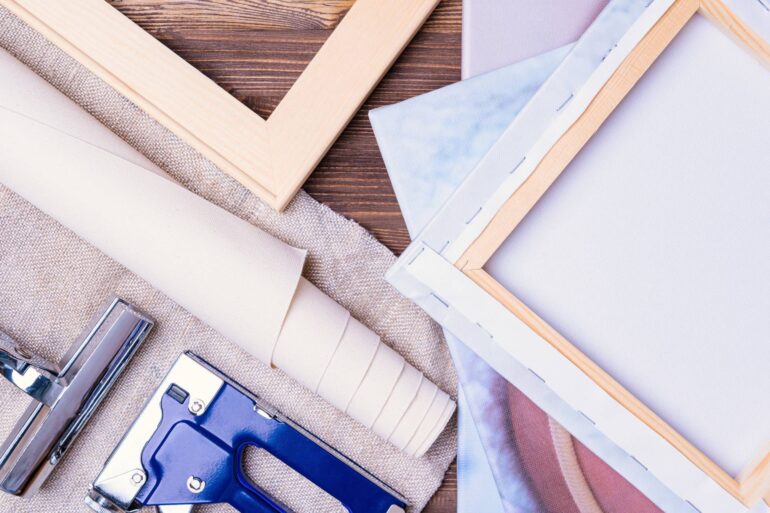
Fabric art needs more support than it seems from the front. Heavy cloth, layered stitching, and wall display can pull at the weak backing over time. It starts with the hidden structure behind the piece. When that structure feels solid, the artwork looks cleaner and holds its shape longer. Here is how to build stronger backing for fabric art so your piece stays looking beautiful and perfectly preserved for a long time.
Choose a Base That Matches the Fabric
The backing should match the fabric’s weight and size before anything else. Light cotton might sit well on mat board or stretched canvas, but thicker textiles need wood panels or sturdy stretcher bars. Press the base with your hands before mounting the fabric. If it bends too easily, it will likely bow once the piece hangs.
Large fabric pieces need more planning than small framed work. A wide backing can sag through the center if the frame lacks enough strength. Add cross braces when the piece feels too flexible across the middle. This gives the fabric a stronger surface without altering its appearance from the front.
Keep the Fabric Smooth Without Overpulling
Even tension helps fabric art stay flat after framing. Start near the center of one side, then move across to the opposite side with steady pressure. Keep checking the front as you work because small shifts show up quickly on patterned cloth. The goal should feel firm rather than stretched thin.
Too much pulling can distort embroidery and raised fabric details. Thick thread and appliqué need enough space to keep their shape. Smooth the fabric with your hand before you secure each edge. If one corner starts to twist, loosen that area and reset the tension before adding more fasteners.
Pick Fasteners That Hold Under Pressure
The right fastener keeps the backing secure without tearing the fabric edge. Thin materials need a lighter touch, while canvas and denim need a firmer grip. For thicker projects, research the staples that work best for heavy canvas or denim before you start fastening the fabric. A staple that sits too shallow will loosen after the piece moves or hangs for a while.
Fastener spacing also affects the backing’s strength. Large gaps let the fabric pull between attachment points. Place fasteners close enough to spread pressure across the full edge.
Finish the Back With Display in Mind
A finished backing should protect the work and make hanging easier. Add a paper or fabric cover for a cleaner back. Attach the hanging hardware to the frame or the strongest support area, not to the cover. Test the weight before display so the piece hangs level.
The final check should include the front and the back. Look for loose edges, uneven pulls, or hardware that shifts under weight. A practical approach to building stronger backings for fabric art increases the artwork’s chances of lasting. The back may stay hidden, but it carries more responsibility than most people notice!