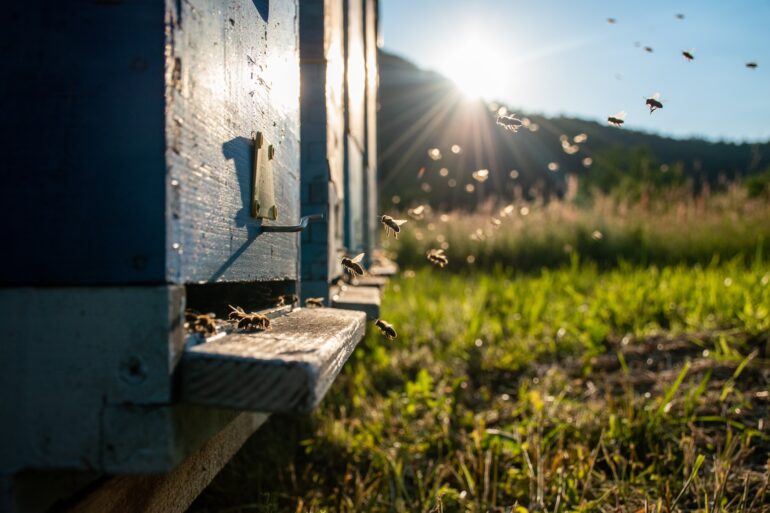
Raising bees alongside crops can sound like one more thing to add to an already full day, but it brings some real benefits to the land you’re already working. Have you got fruit trees, a garden, or blooming rows that depend on pollination? Then bees deserve a look. They do useful work while going about their business, and they can support better production without changing how you use your whole property.
What Do Bees Do for Crops?
Bees help crops by carrying pollen from flower to flower, which supports fruit, vegetable, and seed production. Without strong pollination, many plants won’t produce as well or grow as evenly. Bees also help improve crop quality by supporting better shape, size, and consistency in what grows. For anyone planting to get a good harvest, bees do an important job in the background every time they visit blooming rows, trees, or garden plants.
Is Raising Bees Right for You?
Are you wondering if bees are right for you? While they can help your crops, they’re also additional work on your hands, and you’re already juggling enough all day. Let’s check out some signs raising bees could be worth it for you:
- You’ve already got crops, fruit trees, or a garden that depends on pollination.
- You don’t mind adding one more regular job to your routine.
- You’ve got space to keep a hive away from heavy foot traffic.
- You’re comfortable learning new skills as you go.
- You don’t expect beekeeping to be completely hands-off.
- You like the idea of supporting better crop production while keeping bees on your property.
How To Get Started
To start raising bees, you’ll need to start by setting up a hive for them. A single hive can house tens of thousands of bees. Additionally, you’ll need tools like a smoker, hive tool, and bee brush to help you maintain the colony. We’d also recommend investing in a protective suit to protect you from stings; they can be more common in beginners, who may not yet understand what sets off their hives. Lastly, and most importantly, you’ll need bees. You can purchase them from local sellers, but many new beekeepers nowadays actually purchase their bees online from reputable bee suppliers for the ease of ordering and delivery.
A Smart Addition to the Land
So, is raising bees alongside crops worth a look? For plenty of growers, yes. If you’ve got blooming plants and a little room to spare, bees can pull their weight in a pretty useful way. They ask for care, but they also give something back.