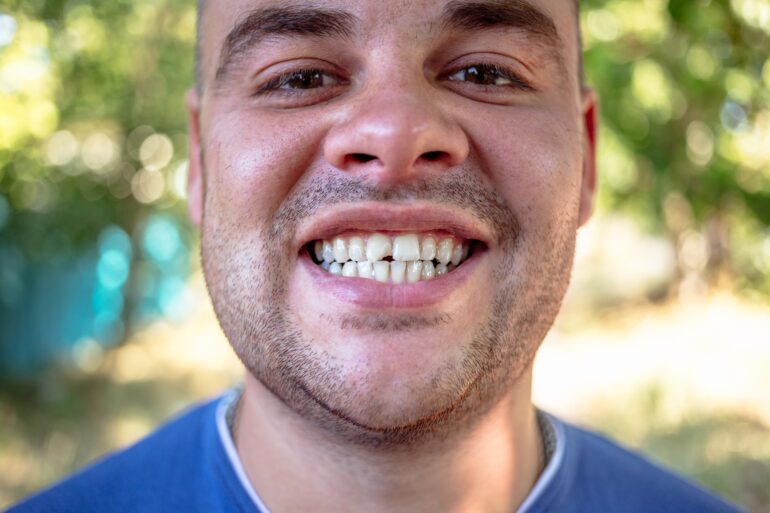
Understanding the common causes of a chipped tooth helps you protect your smile and avoid unexpected dental problems. A chip can happen in a moment or develop over time due to repeated stress on the enamel. While some cases result from accidents, others stem from everyday habits that slowly weaken the tooth structure. By recognizing what contributes to damage, you can take more mindful steps to preserve your teeth and respond quickly if a chip occurs.
Everyday Wear and Tear
Teeth endure constant pressure from chewing and grinding. Over time, this repeated force can weaken enamel and make it more vulnerable to chipping. People who grind their teeth, especially during sleep, place extra strain on their teeth without realizing it. Even normal eating habits can contribute when hard foods are part of a regular diet. Biting into ice or hard candy can create sudden stress that the enamel cannot withstand.
Accidental Trauma
Unexpected impacts remain one of the most common reasons for a chipped tooth. Sports injuries often cause direct contact with the mouth, especially when athletes do not wear protective gear. Falls or collisions can also cause damage, even in everyday situations. A simple misstep on a slippery surface or bumping into a hard object can result in a noticeable chip. These events happen quickly and often without warning, making prevention through awareness and protection especially important.
Tooth Decay and Structural Weakness
Decay weakens the internal structure of a tooth, making it more likely to break under pressure. When cavities develop, they reduce the strength of the enamel and dentin. This leaves the tooth less able to handle normal forces. Old dental work can also contribute to vulnerability. Fillings or crowns that have worn down over time may no longer provide the same level of support, increasing the chance of a chip forming.
Temperature Changes and Stress
Sudden shifts in temperature can affect the integrity of enamel. Moving quickly from very hot to very cold foods causes expansion and contraction within the tooth. Over time, this stress can create small fractures that eventually lead to chipping. While this process is gradual, it highlights how even subtle habits can influence dental health.
Habits That Increase Risk
Certain behaviors place teeth at greater risk without obvious signs. Using teeth to open packaging or biting on non-food items creates unnecessary pressure. These actions may seem harmless but can lead to damage over time. Being mindful of how you use your teeth plays a key role in caring for a chipped tooth and preventing further issues.
Protecting Your Teeth for the Future
Understanding the common causes of a chipped tooth allows you to make better choices that protect your dental health. By paying attention to daily habits and reducing unnecessary strain, you can lower the risk of damage. Quick action and awareness ensure that even if a chip occurs, you can manage it effectively and maintain a healthy smile.