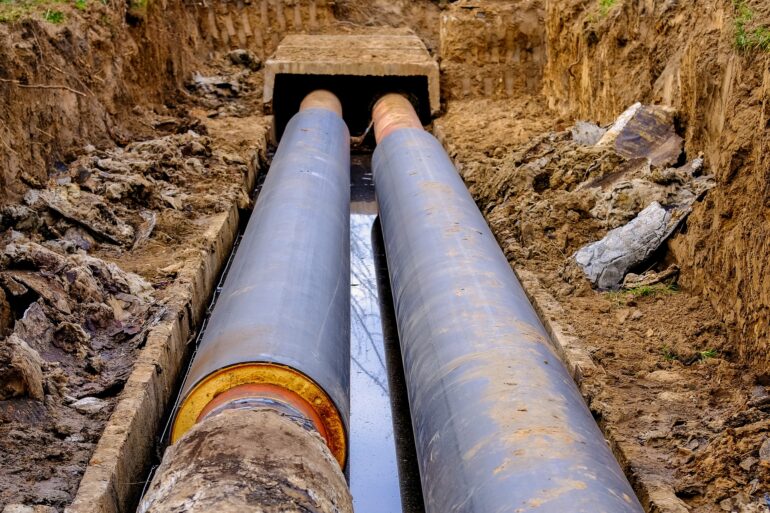
Modern infrastructure handles nonstop stress from road salt and changing weather patterns. When corrosion spreads through critical components, safety concerns follow.
Engineers face a difficult balancing act because strong materials alone don’t solve the problem. Corrosion resistance shapes modern engineering because durability plays a direct role in operational reliability and long-term performance.
Material Failure Creates Bigger Problems
Many people picture corrosion as simple rust on an old surface, but the issue runs much deeper. Corrosion weakens structural integrity and shortens the lifespan of expensive equipment. Small signs of deterioration can eventually create major operational failures.
Engineers now design systems with environmental exposure in mind from the very beginning. They look closely at contact and long-term maintenance requirements before choosing materials. Those decisions influence everything from maintenance schedules to equipment lifespan.
Engineers Prioritize Smarter Alloys
Material science continues pushing engineering forward because modern projects demand stronger and longer-lasting metals. Engineers increasingly rely on alloys designed to resist corrosion while maintaining strength under pressure. Nickel, aluminum, and specialized industrial alloys each serve different roles depending on environmental conditions.
Some alloys perform especially well in marine and industrial settings where moisture and chemical exposure remain constant. Discussions around corrosion-resistant materials frequently reference alloys like C63200 because they combine durability with strong mechanical performance in demanding environments.
Corrosion Resistance Impacts Daily Life
Public transportation systems, utility infrastructure, and medical equipment all depend on materials built to withstand long-term exposure. Reliable engineering keeps those systems functioning consistently without frequent interruptions.
Corrosion-resistant design also supports sustainability goals because durable materials reduce waste and replacement frequency. When infrastructure lasts longer, cities and industries avoid unnecessary resource consumption tied to repeated repairs or early material failure. Stronger materials create practical long-term value beyond immediate performance.
Key engineering priorities include:
- Extending infrastructure lifespan across transportation and energy systems
- Reducing maintenance demands in industrial environments
- Improving safety within public and commercial structures
- Supporting equipment reliability during constant environmental exposure
- Limiting material degradation caused by chemicals and moisture
Engineering Continues Raising Expectations
Engineering standards continue rising because modern environments create tougher demands than ever before. Engineers approach corrosion resistance as a core design principle rather than an afterthought.
You can already see this shift across transportation networks, renewable energy systems, and industrial automation. Corrosion resistance shapes modern engineering at every level, from massive structural systems down to individual mechanical components. As industries continue pushing technology forward, material selection will keep playing a defining role in what engineers can build next.