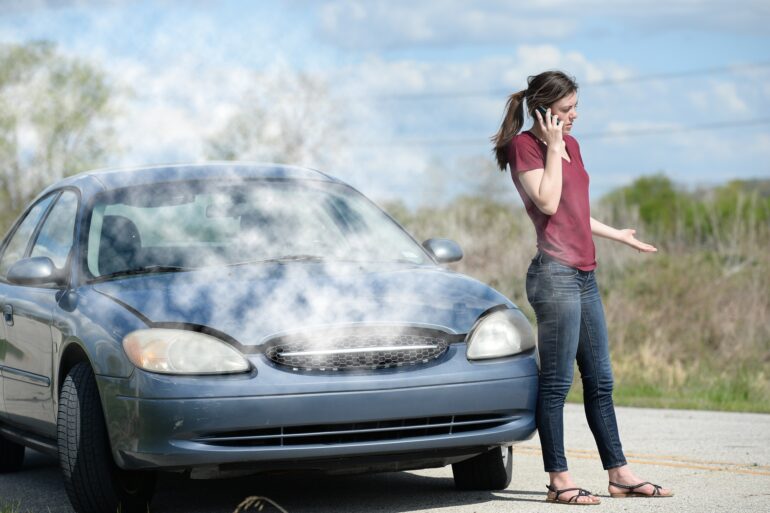
Overheating is one of the most serious maintenance issues your car can face. If left unchecked, it can lead to catastrophic damage and costly repairs. Your car’s cooling system is intricately designed to regulate engine temperature, ensuring it stays within safe limits. However, when this system fails or the engine runs hotter than it should, it can lead to major overheating that can damage your car. It’s crucial to understand the potential dangers of overheating so you can act fast and prevent long-term harm to your vehicle.
Coolant Hose Failures
Your car’s cooling system relies on a network of hoses to transport coolant between the radiator, engine, and other components. When the engine overheats, the extreme heat can weaken these hoses, making them brittle, cracked, or prone to bursting. A failed coolant hose disrupts the flow of coolant, exacerbating the overheating issue further. Inspecting and replacing damaged hoses is a crucial part of maintaining your cooling system and preventing overheating-related damage.
Head Gasket Leaks
One of the most common and serious consequences of overheating is a head gasket failure. The head gasket plays a critical role in sealing the combustion chamber and preventing the mixing of oil and coolant. Overheating is just one of the things that can cause a head gasket leak. It’s important to look for other problems too so you can correctly identify and address the issue. Regardless of the cause, when you have a head gasket leak, it’s important to take action.
Warped Cylinder Heads
When an engine overheats, the extreme heat can warp the cylinder head, which is typically made of aluminum or cast iron. This warping disrupts the seal between the cylinder head and the engine block, causing compression loss and reduced engine performance. If left unresolved, it can lead to misfiring, reduced fuel efficiency, and, in severe cases, complete engine failure. Repairing a warped cylinder head is a complex and expensive task, often requiring machining or a full replacement to restore the engine’s functionality.
Transmission Issues
In many modern cars, the cooling system does more than just regulate engine temperature—it also helps cool the transmission. When the cooling system fails, transmission fluid temperatures can rise dramatically. Overheated transmission fluid loses its ability to lubricate and protect transmission components, causing excessive wear and damage. Thankfully, addressing this issue early on can save you from costly repairs or an entire transmission system replacement.
These are some of the ways that overheating can damage your car, so stop driving immediately and address the issue if you notice smoke or other symptoms. Acting quickly can save you from extensive damage and help keep your car running smoothly and safely for years to come. Stay vigilant, and don’t ignore the warning signs of overheating.