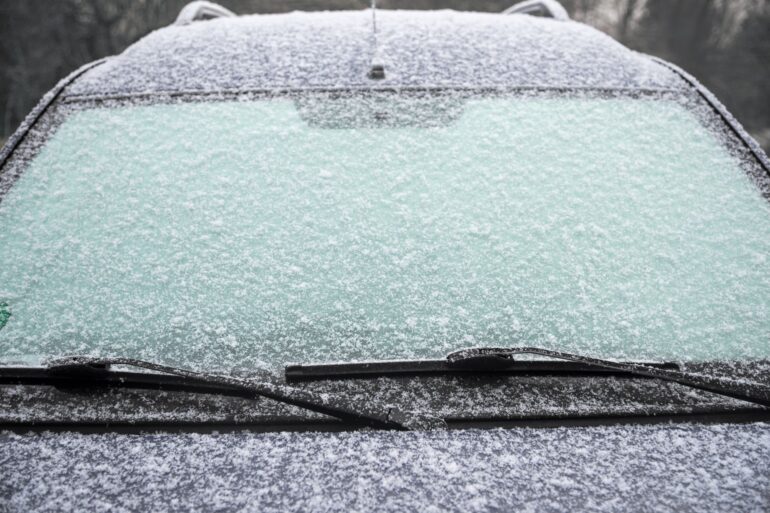
It’s essential to think about our vehicles during all seasons. However, winter can cause a lot of issues. From fluctuating temperatures to icy roads, a lot of things can disrupt your car (and commute). We can examine why winter weather is so harsh on vehicles and how you can prevent damage.
Cold Temperatures
As the temperature drops, it impacts several car components, such as the battery, engine oil, and transmission fluids, making them thicker and harder to operate. The battery especially takes a hit in the cold climate, and its power output weakens.
With a weaker battery, your vehicle will have difficulty starting, and it could fail. To avoid such issues, regularly check your battery throughout the season.
Salt
Salt can quickly melt ice and snow on roads. While it can improve driving conditions, it’s not great for our cars. Exposure to salt can lead to extensive corrosion and rust on the underside of vehicles.
Furthermore, salt is present in winter and can affect your car’s windshield by eating its protective film. Since salt contains magnesium chloride, it can erode the glass.
To protect your car, regularly clean your vehicle’s underside with a hose and brush salt off your windows.
Tire Pressure
During winter, tires take on lots of stress because they need enough traction on icy and snowy roads. Tires with low pressure and worn-down treads have little to no grip on winter roads, making your driving experience dangerous.
It’s crucial to replace worn-out tires and keep tire pressure in check. Many car manufacturers recommend winter tires for safer driving during this time.
Freezing Rain
Another reason why winter weather is so harsh on your vehicle is that freezing rain falls during this season. As the supercooled droplets hit your car, they begin to freeze, forming layers of ice.
The ice can weigh down your car and damage your windshield, side mirrors, and body. Parking your car in a sheltered area to avoid any falling precipitation will help prevent problems.
Reduced Visibility
Reduced visibility is also a common issue during winter. It’s harder to see potholes, curbs, and other road hazards that can damage your tires and wheels. To avoid these problems, drive carefully and regularly check your tire pressure and treads for any signs of wear.