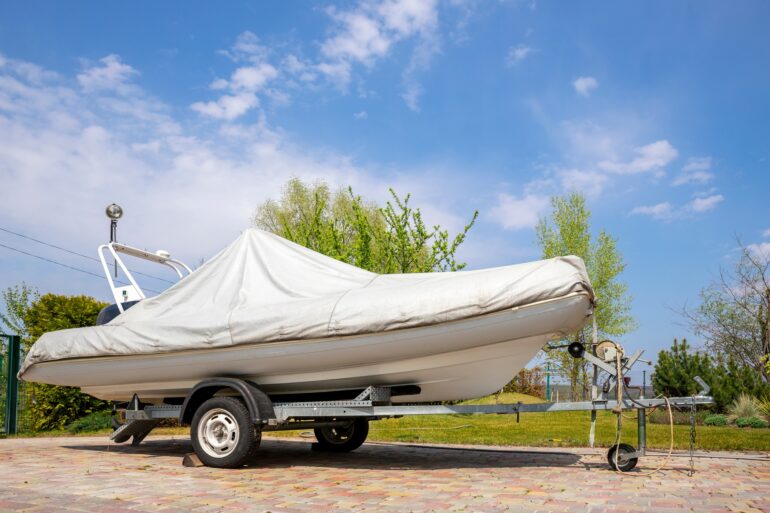
As the days get shorter and the weather turns colder, it’s time to think about protecting your boat from the harsh winter elements. Proper winterization is one of the most critical maintenance tasks for any boat owner. Skipping this process can lead to costly damage from freezing temperatures, moisture, and long-term storage. This guide provides seven essential steps to help you winterize your boat, so it remains in top condition for the next boating season.
Stabilize the Fuel System
Leaving untreated fuel in your tank over the winter can cause significant problems. Fuel can degrade and absorb water, leading to gumming and corrosion in the fuel lines and engine. To prevent this, add a quality fuel stabilizer to your nearly full tank of gas. A full tank minimizes the amount of air and moisture that can accumulate. After adding the stabilizer, run the engine for about ten minutes to circulate the treated fuel through the entire system.
Change the Oil and Filter
Old, used engine oil contains contaminants that can damage internal engine parts if left sitting for months. Before storing your boat, change the oil and oil filter. Warm up the engine for a few minutes to help the oil drain more easily. This simple step protects the engine by removing corrosive agents and leaving clean oil to coat and safeguard the components during the off-season.
Fog the Engine
Fogging the engine is a crucial step to prevent internal rust and corrosion. With the engine running, spray fogging oil directly into the carburetor or air intake until a thick smoke appears from the exhaust. Then, turn off the engine. This process coats the internal surfaces of the engine, like the cylinder walls and pistons, with a protective layer of oil, shielding them from moisture.
Drain the Water System
Water left in your boat’s systems can freeze, expand, and cause serious damage to pipes, tanks, and the engine block. You need to drain all water from the system. This system includes the engine block, manifolds, water pump, and any onboard freshwater systems for sinks or showers. After draining, circulate a non-toxic antifreeze through the system to protect it from any remaining water that might freeze.
Disconnect and Charge the Batteries
Batteries can lose their charge over the winter and may be permanently damaged if left connected and unmaintained. Winterizing your boat’s battery is a straightforward task. Disconnect the battery terminals, starting with the negative cable, to prevent any power drain. Clean the terminals and store the batteries in a cool, dry place, away from the concrete floor. Periodically charge them throughout the winter to maintain their health and longevity.
Clean and Wax the Hull
Give your boat a thorough cleaning inside and out. Remove any dirt, salt, or marine life from the hull, as these can cause staining and damage the gelcoat over time. After cleaning, apply a quality marine wax to the hull. This wax creates a protective barrier against moisture, dirt, and UV rays, keeping the finish looking its best. Don’t forget to clean the interior as well, removing all food, drinks, and personal items.
Cover the Boat
The final step is to cover your boat securely. A high-quality, breathable boat cover protects your vessel from snow, ice, rain, and debris. A good cover prevents moisture from becoming trapped, which can lead to the growth of mold and mildew. Make certain you properly support the cover to avoid water pooling, and secure it tightly so it can withstand winter winds.
Taking the time to winterize your boat properly is a smart investment. Following these steps helps you avoid expensive repairs and keeps your boat in prime condition. When spring arrives, you will be able to get back on the water with confidence.