The interest in Eastern medicine has surged in the West as more people seek natural and holistic approaches to health and wellness. Practices such as acupuncture, herbal remedies, and meditation are rooted in ancient traditions and have been part of cultures across Asia for centuries. These methods, often focusing on the balance and flow of energy within the body, offer effective treatment that can complement Western medical practices. Read on to learn more about some healing Eastern medicine and practices that you might want to try.
Acupuncture
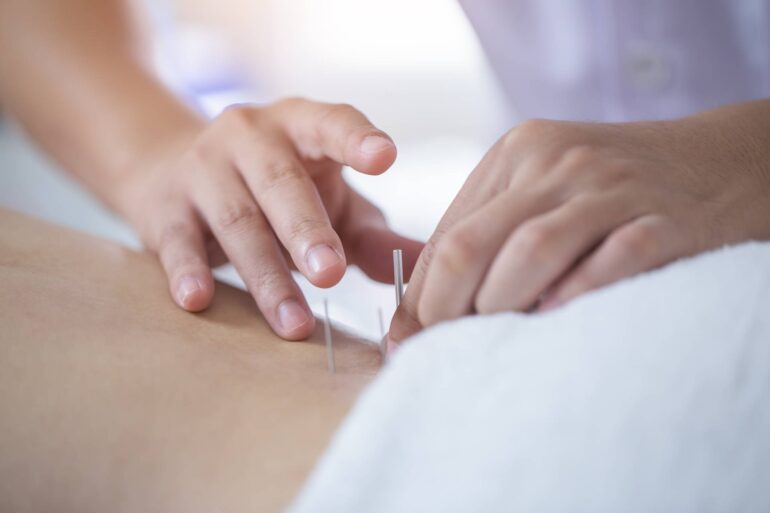
Acupuncture is a key component of traditional Chinese medicine. It involves the insertion of thin needles into specific points on the body to manipulate the flow of energy, or “qi.” This practice can restore balance, alleviate pain, and promote overall wellness.
Acupuncture can treat a variety of ailments, including chronic pain, migraines, and stress. Acupuncture may also stimulate the release of endorphins and enhance blood circulation, thus supporting both physical and mental health.
Ayurveda
Ayurveda originated in India more than 3,000 years ago. It is a holistic healing system that emphasizes balance in body, mind, and spirit through diet, herbal treatments, and yogic breathing.
Central to Ayurvedic practice is the concept of doshas—Vata, Pitta, and Kapha—which are elemental forces believed to compose a person’s constitution. By recognizing and addressing imbalances among these doshas, Ayurveda endeavors to support optimal health.
The system utilizes a plethora of natural remedies, including turmeric, ashwagandha, and ginseng, which are known for their anti-inflammatory and adaptogenic properties. With the rise of integrative health approaches, Ayurveda is gaining global traction as both a preventative and therapeutic modality.
Cupping
Cupping therapy, another ancient practice embedded in Eastern medicine, involves placing cups on the skin to create suction. This technique facilitates healing by promoting blood flow and reducing inflammation. Often used in conjunction with other therapies such as acupuncture, cupping can be beneficial for addressing conditions like muscle tension, chronic pain, and respiratory issues.
The cups are typically made of glass, bamboo, or silicone. During a cupping session, the cups are placed on various parts of the body to stimulate circulation. The results often include improvements in pain management and overall wellness. Overall, cupping is a noninvasive, holistic treatment option.
Essential Oils
Essential oils come from plants through distillation or cold pressing. Eastern traditions have long been using these oils for their therapeutic properties. These highly concentrated extracts capture the natural essence and fragrance of flowers, herbs, and trees, making them potent tools in aromatherapy and natural medicine.
Specifically, aromatherapy is widely respected for providing holistic healing benefits, both mentally and physically. Lavender, peppermint, and eucalyptus essential oils can relieve stress, enhance mood, and treat minor ailments like headaches and colds via aromatherapy. By inhaling these aromas or applying them to the skin (with a carrier oil), you can experience benefits ranging from relaxation to boosted immunity.
There are plenty of healing Eastern medicine and practices to try to help you achieve a well-balanced and healthy lifestyle. Just remember to consult with your healthcare provider before beginning any new treatment or supplement regimen.