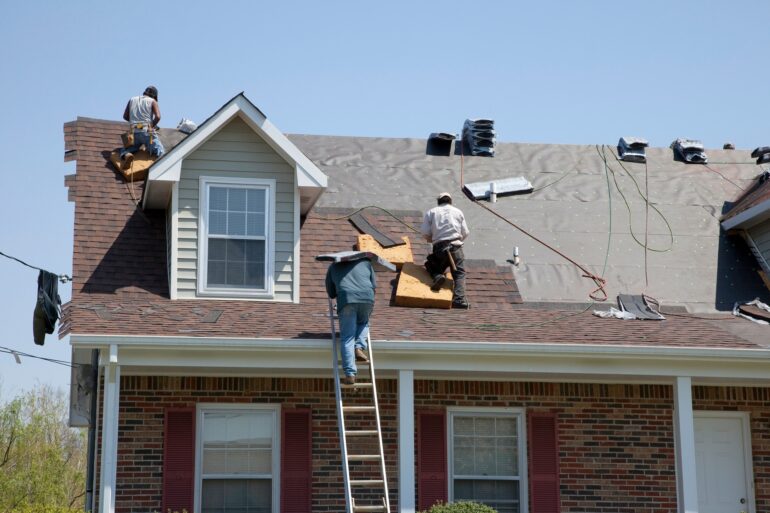
Renovating your home can be a thrilling endeavor, but nature doesn’t always cooperate with construction timelines. Local weather conditions can play a significant role in the progress and quality of your home construction.
In order to get things done according to plan, read up on how climate can impact your home construction projects and practical tips to mitigate these challenges.
Roof Replacements
Roof replacements are particularly sensitive to climate conditions, as the weather can significantly impact both the timing and the durability of the project. Extreme heat can cause asphalt shingles to warp or deteriorate faster, while cold weather can make certain materials brittle and difficult to install properly.
Additionally, rainy or snowy conditions pose challenges to ensuring a watertight seal, increasing the risk of leaks. To avoid complications, it’s essential to plan roof replacements during optimal weather conditions and choose materials that are suited to the local climate.
Plumbing Jobs
Environmental factors can heavily influence plumbing projects. Extreme weather conditions, such as freezing temperatures, can cause pipes to burst or require urgent repairs. At the same time, high heat may affect the proper curing of adhesives and sealants used in plumbing installations.
Additionally, access to outdoor plumbing systems might be more challenging during heavy rainfall or snow. Proper planning and investment are crucial to ensure the longevity and reliability of your plumbing systems.
Shutter Installation
Knowing how different climates affect exterior shutter durability can significantly impact the results of your installation. Extreme temperatures, whether hot or cold, may cause unwanted expansion and contraction, leading to potential warping or misalignment over time.
High humidity levels can cause wooden shutters to swell or deteriorate without proper treatment. In contrast, coastal climates with salty air may accelerate corrosion on metal components.
Landscaping Efforts
Climate can also have an impact on the success and sustainability of landscaping efforts. Different environmental conditions, such as temperature, precipitation, and amount of sunlight, directly influence plant selection, soil health, and overall garden design.
For instance, arid climates often require drought-tolerant plants and efficient irrigation systems to conserve water. In contrast, regions with heavy rainfall may necessitate proper drainage solutions to prevent waterlogging or soil erosion. Frost-prone areas may limit the variety of plants that can thrive year-round.
Window and Door Upgrades
When it comes to window and door replacements, extreme temperatures, humidity levels, and other weather conditions can all impact the materials and designs you choose. For instance, in areas with drastic temperature fluctuations, materials such as vinyl or fiberglass may be preferred for their ability to expand and contract without damage.
High-humidity regions require moisture-resistant materials to prevent warping or mold growth. In hurricane-prone areas, impact-resistant windows and reinforced doors are essential to withstand strong winds and flying debris.
Homeowners performing construction tasks quickly learn that there are times when the weather simply doesn’t want to cooperate. Knowing how climate can impact your home construction projects is the first step to reducing its effect on your timeline and budget.