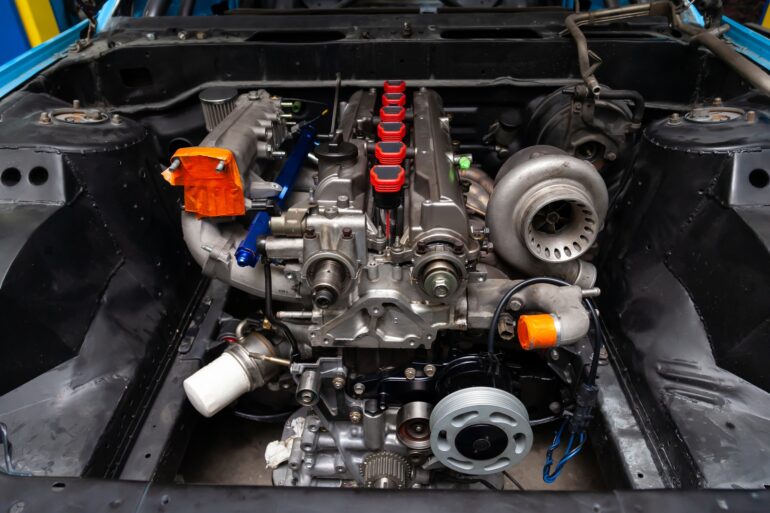
Superchargers are a powerful way to elevate your car’s performance. Known for delivering immediate and substantial power gains, they appeal to car enthusiasts looking for better speed, acceleration, and an overall thrilling driving experience.
However, as with any major modification, installing a supercharger comes with its own set of considerations. Here’s a breakdown to help you decide if you should put a supercharger in your car or skip it altogether.
Boosting Your Car’s Horsepower
The most obvious benefit of installing a supercharger is the dramatic increase in horsepower. By compressing the air entering your engine, a supercharger allows for more oxygen to mix with the fuel, resulting in a bigger combustion force.
With a supercharger upgrade, a vehicle with a standard 300 horsepower engine could easily gain an additional 50 to 100 horsepower, depending on the specific model. This makes a significant difference for people seeking heightened performance on the road or racetrack.
Enhanced Torque and Faster Acceleration
Superchargers don’t just improve horsepower; they also impact torque. Torque is a critical factor in determining a car’s acceleration capabilities, especially at lower speeds or from a standstill. This is where a supercharger truly shines compared to a turbocharger.
Unlike turbos, which often experience lag before power kicks in, superchargers deliver immediate results as they are powered directly by the engine’s belt system. This means you’ll notice quicker acceleration the moment you step on the gas pedal, making your car feel far more responsive.
Be Prepared for Installation Costs
While the benefits of a supercharger are apparent, they come at a price. The cost of a supercharger kit varies widely, with prices starting around $2,500 and reaching upwards of $8,000 for premium systems. On top of that, professional installation may add several hundred to a few thousand dollars more.
Depending on your car and the complexity of the installation, the total cost is a significant investment worth considering. It’s advisable to get quotes from reputable installers beforehand to avoid unexpected expenses.
Maintenance Demands To Consider
Putting a supercharger in your car requires ongoing maintenance to ensure optimal performance. Superchargers place additional stress on your engine, which can lead to increased wear and tear.
You’ll need to monitor your oil levels more vigilantly, check the belt-driven system regularly, and stay on top of cooling system maintenance, as the increased heat generation can be taxing. If you already invest time and money into maintaining your car, be prepared to double down with a supercharger.
Challenges of Compatibility
Not all vehicles welcome a supercharger upgrade. Compatibility depends on your car’s engine design, age, and overall condition. Some engines lack the structural integrity to handle the additional pressure that comes with a supercharger.
Furthermore, fitting a system into an engine bay with limited space could prove challenging and might require extensive custom modifications. Consulting with a mechanic or performance specialist is critical to make sure your desired upgrade matches your car’s capabilities.
Deciding whether to install a supercharger boils down to balancing performance benefits with the associated costs and maintenance. If you’re searching for immediate and consistent power gains, a supercharger is worth considering, especially if your car is compatible with minimal modifications.
It’s also important to weigh the differences between turbocharging and supercharging. While superchargers deliver instant power due to their engine-driven system, turbochargers are more fuel-efficient and may work better for motorists seeking a greener option with fewer maintenance demands.