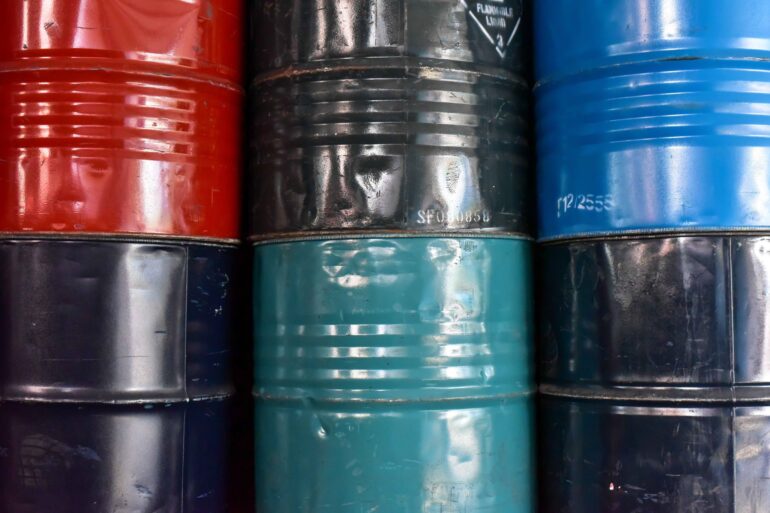
Many industries rely on solvents for cleaning, degreasing, and manufacturing processes, but what happens when those solvents become contaminated? Instead of costly and environmentally harmful disposal, solvent recycling offers a smarter path forward. This process revitalizes used solvents, turning waste into a valuable resource. Let’s explore the key steps that show you how the solvent recycling process works.
1. Collection and Segregation
The recycling journey begins at the source. Companies collect used solvents in designated, properly labeled containers. It’s crucial to segregate different types of solvents from one another to prevent cross-contamination. Mixing incompatible chemicals can complicate purification and degrade the quality of the final recycled product.
2. Pre-Treatment and Filtration
Once collected, the contaminated solvents undergo pre-treatment. This stage involves filtering the liquid to remove solid impurities like dirt, sludge, and metal shavings. Technicians use specialized filtration systems to separate these physical contaminants, preparing the solvent for the primary purification stage.
3. The Distillation Process
Distillation is the core of solvent recycling. The process works by heating the contaminated solvent in a still. Because solvents have lower boiling points than the contaminants dissolved in them, the solvents evaporate into vapor. This vapor then travels into a cooling chamber, where it condenses back into a pure liquid. The contaminants, such as oils, greases, and resins, remain behind as waste.
4. Quality Control and Analysis
After distillation, the recovered solvent is not yet ready for reuse. It must first pass rigorous quality control tests. Technicians collect samples and analyze them using methods such as gas chromatography to verify purity and composition. This analysis confirms that the recycled solvent meets the strict specifications required for its intended industrial application.
5. Redistribution and Reuse
Once the solvent passes quality control, it is ready for redistribution. The pure, recycled solvent is packaged and sent back to industrial clients for reuse in their processes. This process creates a closed-loop system, offering one of the most effective sustainable waste solutions available. By reusing solvents, companies can significantly reduce their reliance on virgin chemical production.
The recycling solvent process reduces waste, conserves natural resources, and provides significant cost savings for businesses. This responsible approach helps industries minimize their environmental footprint while maintaining operational efficiency.