You’ve finally found your dream project car. Maybe it’s a classic muscle car or an old off-roader you plan to take on the trails. You have the tools, the garage space, and the motivation. But then comes the tricky part: sourcing components.
It’s tempting to save a few bucks on cheaper alternatives, especially when the budget gets tight. But picking the wrong components often leads to headaches down the road. Enter the consequences of choosing the wrong car restoration parts.
Why Does Fitment Matter So Much?
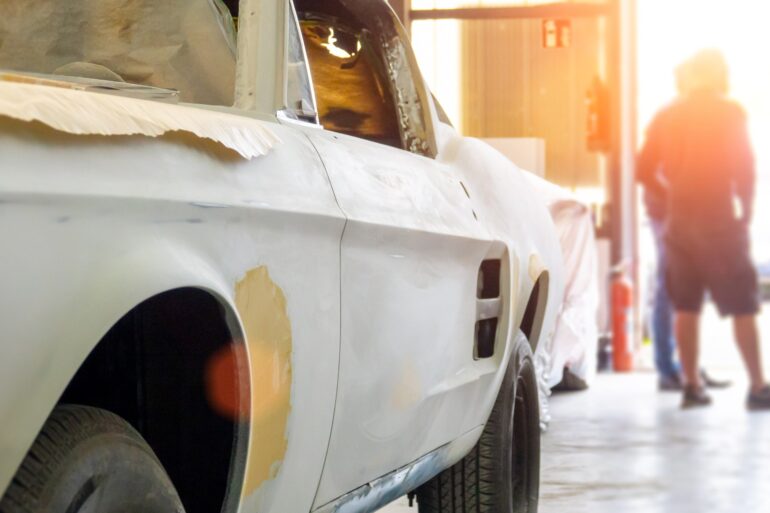
Poor fitment is the most immediate consequence of buying the wrong components. You might order a fender or a bumper that looks correct online, only to find the bolt holes don’t line up when it arrives. You waste hours trying to modify the part to make it work, often damaging the finish or the car’s body in the process.
This struggle turns a fun weekend project into a frustrating ordeal. Instead of making progress, you spend your time fighting with misalignment and gaps. If the component is structural, poor fitment can even compromise the safety of the vehicle.
How Do Bad Parts Affect Long-Term Value?
Restoring a vehicle is an investment. You want the finished product to hold its value or even appreciate over time. Using inferior components significantly lowers that value. Serious collectors and buyers know exactly what to look for. They can spot cheap reproduction items from a mile away.
If you use high-quality, authentic components, the car maintains its integrity. But if you fill it with subpar replacements, you essentially lower the resale price with every bolt you tighten. You might save fifty dollars now, but you could lose hundreds or thousands when it comes time to sell.
Can the Wrong Parts Damage Other Systems?
Yes, they definitely can. A car is a complex system where everything works together. If you install a water pump that isn’t built to the right specifications, it can fail and overheat your engine. A cheap suspension bushing might wear out prematurely, causing uneven tire wear and stressing other suspension components.
One bad choice often creates a domino effect. You aren’t just replacing the faulty item later; you are fixing the collateral damage it caused. This is one of the classic Jeep restoration mistakes that cost you money—buying a budget lift kit that eventually destroys your driveshaft angles and ruins your ride quality.
What Are the Safety Risks?
Safety should always be the priority. Brake lines, steering components, and fuel systems are not places to cut corners. If you buy a master cylinder from a questionable source, you risk brake failure. Inferior electrical components can lead to shorts or even fires.
When you are behind the wheel, you need to trust your machine. Knowing you installed reputable, high-quality items gives you peace of mind. Gambling on cheap alternatives puts you and your passengers at risk.
Summary of Potential Issues
To recap, here is what you risk by choosing the wrong components:
- Wasted Time: Hours spent modifying parts that should bolt right on.
- Financial Loss: Buying the same item twice because the first one failed.
- Devalued Vehicle: Lower resale value due to poor quality.
- Safety Hazards: Increased risk of mechanical failure on the road.
Take your time. Do the research. Buying the right piece the first time saves you money, time, and frustration in the long run. Avoid the consequences of choosing the wrong car restoration parts and get the correct pieces the first go.