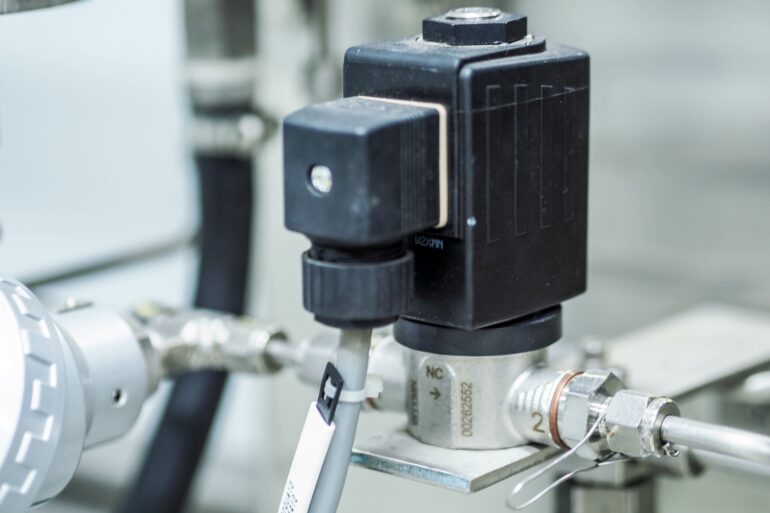
Understanding voltage compatibility is essential when working with solenoid valves. These valves play a critical role in controlling the flow of liquid or gas in a system, so even minor mismatches in voltage can lead to significant operational issues. Below, we’ll explore how voltage impacts solenoid valves, what problems may arise, and how to make the best choices for your systems.
Voltage Compatibility Dictates Efficiency
Voltage compatibility directly affects how efficiently a solenoid valve operates. Using a valve with the wrong voltage input can lead to performance inefficiencies. For instance, a solenoid valve designed for 24V DC will not function optimally on 120V AC. The coil might overheat, leading to risks of permanent damage or reduced lifespan. Choosing a valve that matches the system’s power requirements optimizes its efficiency and protects it from unnecessary failures.
Mismatched Voltages Can Cause Failures
Voltage mismatches frequently cause common solenoid valve failures. For example, applying excess voltage can burn out the coil, rendering the valve useless. Undervoltage can also keep the valve from activating properly, resulting in inconsistent or failed operations. These types of failures often lead to downtime and expensive replacements, making selecting the right voltage specifications important.
AC and DC Voltages Have Different Effects
The behavior of solenoid valves differs depending on whether they operate on AC or DC voltage. AC-powered solenoid valves experience an initial inrush of current before settling into a lower operating current. DC-powered valves, on the other hand, require a steady current. This distinction makes it important to carefully examine whether your system demands an AC or DC solenoid valve to avoid operational inconsistencies and mechanical issues.
Stable Voltage Extends Lifespan
A stable voltage supply significantly extends the lifespan of solenoid valves. A fluctuating or unstable voltage damages internal components over time. Consistent voltage helps the coil and other mechanical elements work without stress, reducing wear and tear. This consistency promotes long-term reliability, ensuring smooth operations without frequent downtimes for repair or replacements.
Voltage Impacts System Safety
Voltage compatibility directly contributes to system safety. High-voltage mismatches can lead to overheating or electrical short circuits, putting operators and surrounding equipment at risk. Selecting a solenoid valve designed for your system’s specified voltage minimizes workplace safety hazards.
As you can see, voltage compatibility has an impact on solenoid valves. Making voltage compatibility a priority saves businesses from common solenoid valve failures while boosting performance and safety. Always verify the voltage requirements of your solenoid valve and pair it appropriately with your system to maintain efficiency and consistency in operations.