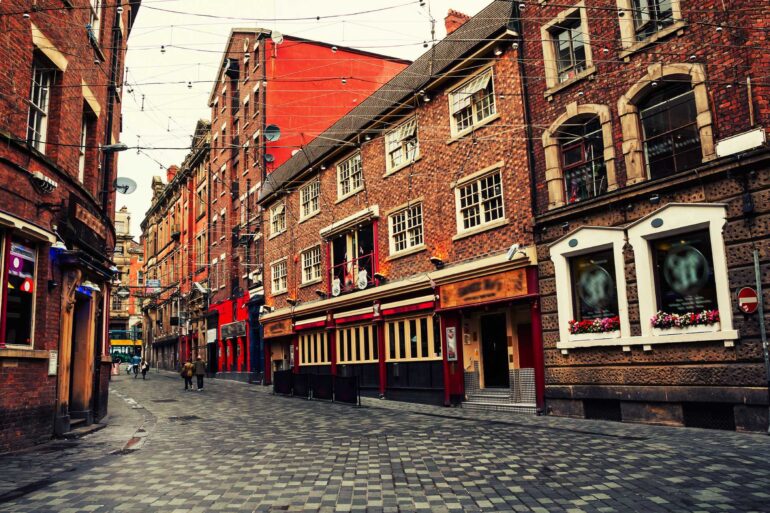
If you own an older building, you are more than a property owner. You’re a protector and preserver of history! Vintage buildings are relics of bygone days, often displaying ornamentation and charms that simply don’t exist anymore. Even though they may give the impression of being solid structures that have stood the test of time, they need extra tender loving care to continue doing so. You’ll need to maintain a balance between retaining its authenticity and charm while ensuring it remains functional, structurally sound, and safe. Here are a few tips and tricks for preserving a vintage building.
Regular Inspections
The older you get, the more often you need to see your doctor for health checkups and to watch for concerns. Likewise, your vintage building needs routine checkups. Hiring a professional building inspector to perform an assessment once a year is important. Also, make a habit of looking for problems on your own. Watch for leaks, rot, and other issues before they become major problems.
Water Damage
Water is the enemy, at least of vintage buildings. Whether it comes from the sky or the ground, water can damage every kind of building material, from wood to stone to plaster. Water can cause slow, secret damage behind walls, or it can surprise you all at once with burst plumbing. Whatever the case, your building needs to stay dry. Keep the gutters and downspouts clear, and add a drainage system to the foundation. Finally, conduct regular plumbing inspections, and replace old pipes.
Beware of Dated Materials
Back in the good old days, people built things to last. Unfortunately, they also used many materials that are hazardous, if not deadly. For example, asbestos was once considered a wonder substance that kept buildings insulated and prevented fires. We now know that asbestos can cause several forms of respiratory disease, including lung cancer. Have the building inspected for asbestos, and understand the difference between asbestos abatement and remediation to make the building safer. Your inspector will also watch for other hazards, such as mercury, lead, and the like.
Be Period-Appropriate
When you get down to the nitty-gritty of restoration, you may need to spend a little more time and money to avoid violating the building’s authenticity. You should modernize certain things, like the electrical and plumbing systems, but do it “behind the scenes,” so to speak.
When upgrading the exterior, make sure you’re maintaining the building’s original look. Use bricks, wood types, paint schemes, and other materials that match the original features. A historical preservation expert can help you track down such materials. Some trees from the old days are extinct or can no longer be harvested, so be ready to purchase repurposed wood from dismantled buildings, for example.
Keep these tips and tricks for preserving a vintage building, especially if you’re considering investing in an older building or want to look after one you already own.