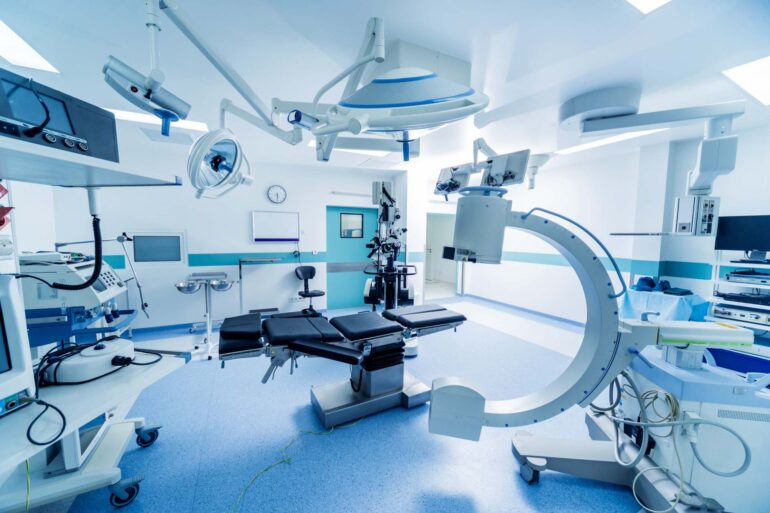
Purchasing medical equipment for your facility is a crucial and often complex process. The right equipment can enhance the quality of patient care, improve operational efficiency, and ensure compliance with health regulations. However, making informed decisions involves considering a variety of factors, such as budget constraints, technological advancements, and the specific needs of your patient population.
Let’s look at tips for purchasing medical equipment for your facility and ensuring that you make the best choices for your healthcare organization.
Assess Your Needs
Before making any purchases, it’s essential to assess your facility’s specific needs. This involves evaluating your patient population, understanding the services you provide, and identifying any gaps in equipment or technology. Consider involving medical staff from various departments to ensure a comprehensive evaluation of all areas of your facility.
Create a Budget
Creating a budget is crucial when purchasing medical equipment. It helps you prioritize which equipment is necessary and allows you to negotiate prices with suppliers. When creating a budget, consider not only the initial purchase cost but also ongoing maintenance and servicing expenses.
Research Suppliers
It’s essential to research and compare different suppliers before making any purchases. Look into each supplier’s reputation, customer reviews, and the quality of their products. Additionally, consider if they offer warranties, training for staff on the equipment, and ongoing technical support.
Consider Technological Advancements
Medical technology is constantly evolving, and it’s crucial to stay up to date with advancements in your field. Research newer models or versions of equipment you currently have and assess if an upgrade would benefit your facility. However, be cautious not to overspend on unnecessary features that may not add value.
Think Long-Term
When purchasing medical equipment, don’t just think about immediate needs. You should also consider the equipment’s longevity. Will the equipment be relevant in 5 or 10 years? Can it adapt to changing patient needs and medical advancements? It’s essential to invest in equipment with a long lifespan to avoid frequent replacements and additional costs.
Consider Maintenance and Servicing
Medical equipment requires regular maintenance and servicing to ensure it functions correctly and remains safe for use. Before making any purchases, consider if your facility has the resources and expertise for ongoing maintenance or if you need to outsource these services.
Prioritize Safety
Patient safety should be a top priority when purchasing medical equipment. Ensure that all equipment meets regulatory standards and has gone through proper testing. Additionally, provide adequate staff training on how to safely operate the equipment to prevent injuries and errors.
Consider Renting or Leasing
If purchasing expensive equipment stretches your budget, consider renting or leasing instead. This allows you to access the necessary equipment without a large upfront cost. However, make sure to do thorough research on the rental/leasing company’s reputation and agreements before finalizing any deals.
Purchasing medical equipment for your facility is a significant investment that requires careful consideration and planning. Whether you’re looking into sterilization cases to protect your surgical equipment or investing in advanced imaging technology, following these tips can help you make informed decisions and ensure the best outcomes for your facility and patients. Remember to regularly reassess your equipment needs and stay up to date with advancements in medical technology to continue providing the best care possible.