Extreme weather events are happening more frequently across the globe, disrupting lives, communities, and businesses. For various industries, the ripple effects of severe weather can be devastating, influencing operations, productivity, and even long-term sustainability. Understanding how different sectors are affected by these environmental changes is vital for businesses looking to adapt to a shifting climate. Here’s how extreme weather impacts different industries and the steps they can take to adapt.
Impact on Agriculture
Agriculture takes a direct hit when extreme weather strikes. Droughts can decimate crop yields by depriving plants of essential water, while floods easily destroy farmlands, potentially leading to soil erosion and contamination. Heatwaves intensify these issues, as high temperatures not only harm crops but also create stressful conditions for livestock. In many regions, these changes lead to lower food production, rising costs, and reduced income for farmers. Agricultural businesses are increasingly depending on climate-resilient crops, irrigation systems, and weather prediction technology to mitigate these effects.
Impact on Energy
Extreme weather disrupts energy industries in multiple ways. Heatwaves increase electricity demand as households and businesses rely more on air conditioning, often stretching grids to their limits. On the other hand, intense storms can damage powerlines, shut down energy plants, and lead to widespread blackouts. Wind turbines, solar panels, and hydropower systems can all be impacted in their own ways. More energy companies are now investing in hardier infrastructure and clean technologies that can withstand volatile weather conditions, making their systems less prone to failure.
Impact on Transportation
Transportation networks also face significant challenges when extreme weather hits. Hurricanes and blizzards delay flights, halt train services, and shut down highways, creating chaos for logistics and commuters alike. Flooded roads aren’t just impassable—they can damage vehicles and reduce supply chain efficiency. Similarly, extreme heat affects asphalt and railway systems, creating additional maintenance requirements. To overcome these challenges, transportation companies are monitoring weather patterns and developing smarter systems that enable quick responses to disruptive events.
Impact on Construction
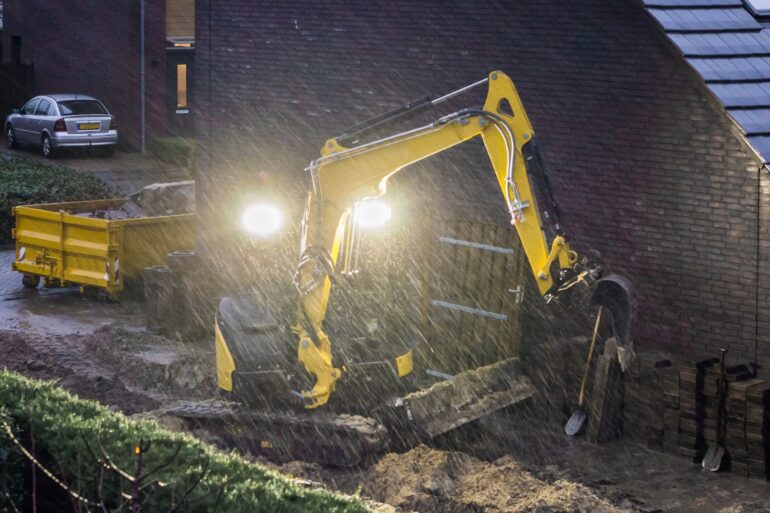
The construction industry grapples with both immediate and long-term effects of extreme weather. Heavy rain and floods can delay projects, destroy materials, or wash away progress entirely. High winds and storms make working conditions unsafe, especially in the world of crane operations, putting construction workers at risk. Additionally, shifting climate patterns can influence building standards, requiring the use of stronger materials and updated designs. Construction firms are increasingly adopting climate-resilient practices, such as using weather-adaptable materials and implementing more robust safety protocols.
Extreme weather is reshaping how industries operate, from agriculture to energy and construction. By understanding how extreme weather impacts different industries and creating adaptive strategies, businesses can turn these challenges into opportunities for growth and innovation. It’s time to take action—developing sustainable practices today will drive resilience and protect industries from tomorrow’s storms.