Waterproofing can protect your home against water damage, mold, and long-term structural concerns. Whether you’re planning for the rainy season or upgrading your space, figuring out what to know before waterproofing your home boils down to preparation and understanding key aspects of the process. Keep reading to ensure you make confident choices and extend the lifespan of your property.
Assess Potential Problem Areas
Before waterproofing, identify the areas of your home that are most vulnerable to water exposure. Key spots may include basements, bathrooms, the roof, and exterior walls. Detecting leaks, water stains, or dampness early can prevent future complications. Additionally, evaluate the climate in your area to assess the necessary level of waterproofing.
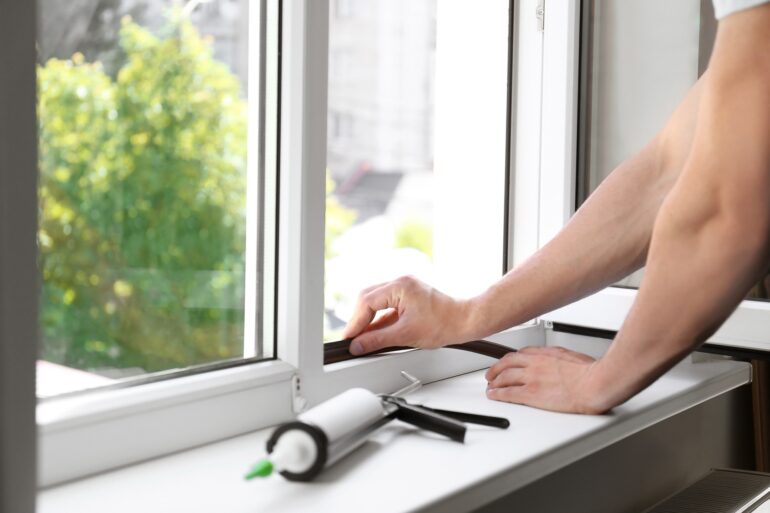
Not all fixes require heavy-duty solutions. Smaller gaps or cracks may need something as simple as caulking or sealing. However, knowing the difference between caulk and sealant is key. While sealants are elastomeric and resist shrinkage, caulk is less flexible and better for minor, static repairs. Using the wrong material for a repair can waste both time and money.
Understand the Material Options
Waterproofing materials vary in function and durability. Membranes are among the most popular choices, offering a robust barrier against moisture for basements or roofing. Cementitious coatings are straightforward for walls and floors but may require periodic reapplication.
Each material has its pros and cons, and choosing the right one depends on the area and its level of exposure to water. When considering advanced waterproofing solutions, consult an expert for technical insights into which material best suits your home’s needs.
Prepare for the Process
Waterproofing often demands a thorough cleaning of the area you plan to work on. Remove debris, dirt, and loose particles that can weaken adhesion or clog drainage systems. For older homes, inspecting the underlying structure is particularly important to reveal any preexisting damage that should be addressed before the waterproofing begins.
Some materials need days to cure, which may temporarily restrict access to the space. Coordinating around these limitations can help minimize inconveniences when updating crucial areas such as bathrooms or basements.
Maintain Regular Inspections
Once all waterproofing work is completed, upkeep becomes vital. Moisture can creep back into neglected areas if wear and tear compromise the applied materials. Plan for periodic inspections to check for membrane cracks or clogged outdoor drainage systems. Regular maintenance helps you avoid the compounded costs of ignoring minor issues over time.
Keep Long-Term Costs in Mind
Preventative waterproofing often feels like a significant upfront investment, but it’s far less expensive than the costs associated with major water damage, renovations, or health risks due to mold. You’ll add value to your home and gain peace of mind by proactively addressing any moisture-related vulnerabilities.
By preparing for waterproofing, selecting suitable materials, and maintaining the work, you can safeguard your home’s structure. Whether you’re repairing a bathroom leak or weatherproofing an entire basement, researching what to know before waterproofing your home equips you for the best results.