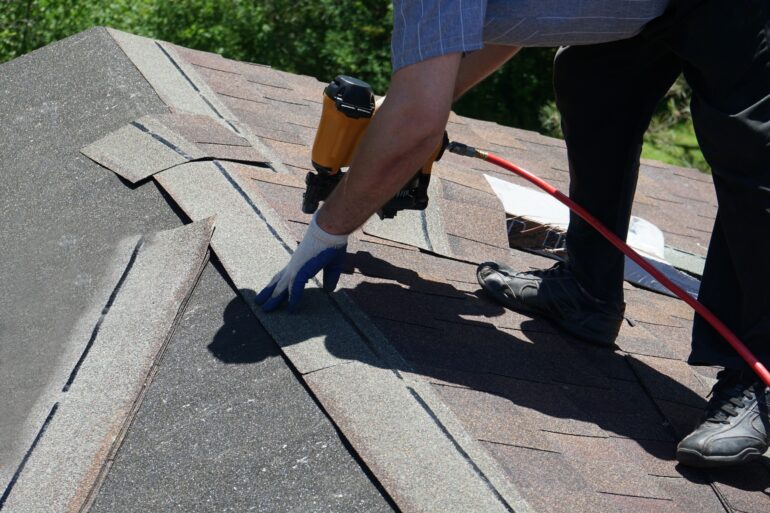
Homeowners in Florida face unique weather conditions that place constant stress on every roof surface across seasons. A roof replacement requires careful planning and a contractor who understands local codes and weather patterns well. A reliable contractor offers more than installation since expertise and transparency shape results that last through severe conditions.
Clear criteria help you narrow options and select a professional who meets your expectations with confidence and precision. Thoughtful choices reduce risk and support a smooth project from initial consultation through final inspection with dependable results. Learning how to choose the best contractor for roof replacement in Florida will help you make informed decisions that protect your home and your investment.
Verify Licensing and Insurance
Florida law requires roofing contractors to hold valid licenses that confirm training, knowledge, and compliance with state regulations for construction work. You should verify license status through official databases and confirm that no disciplinary actions appear in public records. Insurance coverage protects you from liability during accidents and property damage that may occur during a roof replacement project.
Ask for proof of general liability and workers’ compensation coverage before any agreement, and review policy limits to ensure adequate protection. A reputable contractor will provide documentation without hesitation and explain coverage details in clear, understandable language for your review. This step builds trust and ensures your project proceeds without unexpected legal or financial complications.
Evaluate Local Experience
Contractors with local experience understand Florida weather patterns, coastal exposure, and building requirements that influence material selection and installation methods. They recognize common issues such as wind uplift and heat stress that affect roof performance across different regions. This knowledge helps them recommend solutions that match your home’s structure and environmental conditions.
Review past projects within your area and request references from homeowners who completed similar roof replacements under comparable circumstances and timelines. Speaking with previous clients reveals how the contractor handled challenges and delivered results that met expectations. Consistent positive feedback indicates reliability and competence in local roofing work.
Assess Material Knowledge
A strong contractor demonstrates deep knowledge of roofing materials such as asphalt shingles, metal systems, tile, and specialized underlayment options. They explain the benefits and limitations of each material type in relation to your home and climate conditions. Clear explanations help you choose materials that balance durability and budget effectively.
Material recommendations should align with manufacturer specifications and local building codes to ensure proper installation and long-lasting performance under demanding weather conditions. Ask about warranties and expected lifespan for each option presented during consultations. This information supports informed decisions that protect your investment and reduce future repair needs.
Review Detailed Estimates
Accurate estimates outline every cost in a transparent format that avoids confusion or unexpected expenses during project execution. A detailed proposal reflects professionalism and helps you compare contractors based on value rather than price alone. Each line item should clearly describe the work scope and associated costs.
Avoid vague estimates that lack specificity, since unclear details often lead to disputes or additional charges once work begins on your roof. Request clarification on any unclear terms and confirm that all necessary components appear in the proposal before signing agreements. This process ensures alignment between expectations and final deliverables for your project.
Examine Communication Practices
Effective communication ensures that you understand project timelines and any changes that arise during the roof replacement process. A contractor should respond promptly to inquiries and provide clear explanations without confusion or unnecessary technical language. Consistent communication builds confidence and keeps the project on track from start to completion.
Set expectations for updates before work begins, including preferred contact methods and key milestones that signal progress throughout the project timeline. Clear communication prevents misunderstandings and helps address concerns quickly before they escalate into larger issues. This approach supports a smoother experience and a stronger working relationship.
Inspect Workmanship Standards
High-quality workmanship determines how well your new roof performs under Florida’s demanding weather conditions and environmental stresses over time. Contractors should follow manufacturer guidelines and industry standards to ensure proper installation and durability for your roofing system. Attention to detail plays a major role in overall performance.
Visit active job sites or completed projects when possible to observe installation practices and assess the overall quality of work delivered by the contractor. Look for clean lines, secure fastening, and proper alignment of materials across the roof surface. These indicators reflect professionalism and commitment to excellence in roofing work.
Prioritize Professionalism and Trust
Professionalism reflects how a contractor conducts business and manages projects from initial consultation through final inspection stages. Trust develops when contractors demonstrate honesty and respect throughout every interaction related to your roofing project. These qualities shape a positive experience.
Working with an experienced and professional roofing contractor will ensure your project meets expectations through consistent communication and adherence to agreed timelines. Choose a contractor who values integrity and accountability in every aspect of their work. This decision supports successful outcomes and results.
Confirm Warranty Coverage
Warranty coverage protects your investment and assures that defects or installation errors receive attention without additional cost after project completion. Contractors should explain manufacturer warranties and workmanship guarantees in clear terms that outline coverage limits and duration. Understanding these details prevents confusion later.
Request written documentation that specifies warranty conditions and procedures for filing claims if issues arise after installation completion. A strong warranty reflects confidence in materials and workmanship delivered during your roof replacement project. This protection offers peace of mind for years ahead.
Compare Pricing with Value
Price comparison should focus on overall value rather than selecting the lowest bid, since cheaper options may compromise quality or omit essential services. Evaluate what each contractor includes in their proposal for your roof replacement project. Balanced evaluation leads to better outcomes.
Consider how experience and service quality influence pricing, and recognize that higher costs may reflect superior expertise and reliability. A fair price aligns with industry standards and reflects the scope of work required for your home. Careful comparison helps you make a confident and informed decision.
Selecting the best contractor for roof replacement in Florida requires careful evaluation of multiple characteristics before making a final decision. Each factor ensures that your project meets quality standards and withstands challenging environmental conditions over time. A structured approach reduces uncertainty and improves confidence.
A thoughtful selection process protects your investment and supports a smooth project from start to completion without unnecessary complications or delays. By focusing on value, transparency, and professionalism, you position your home for reliable performance and lasting protection. This effort results in a roof that serves your needs for many years.