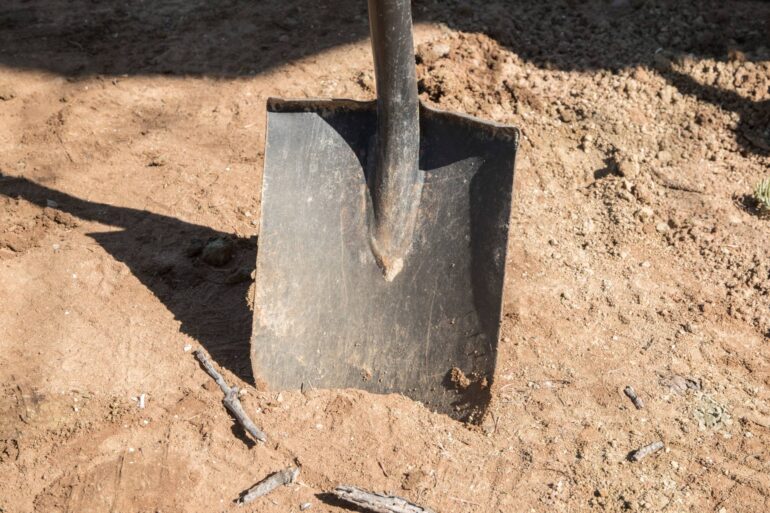
Digging in sandy soil can be frustrating. Its loose texture and poor cohesion often make tasks like creating planting holes or setting up posts more challenging than they need to be. However, a few simple adjustments can dramatically advance your efficiency and save both time and effort. Here’s how to improve digging efficiency in sandy soil.
Use the Right Tools
The tools you choose directly affect how effectively you can dig in sandy soil. A pointed shovel works best for cutting through loose material, while a post hole digger is particularly effective for creating straight, deep holes in sandy conditions. It’s essential to adjust your technique according to the soil type you’re using the post hole digger on.
For sandy soil, focus on maintaining steady pressure to prevent the loss of lifted material, as the loose texture can easily spill out. Invest in durable tools with comfortable grips to reduce fatigue and maximize productivity.
Prepare the Soil Before You Dig
A little soil preparation can make a big difference when working in sandy conditions. Begin by lightly moistening the soil with water. Damp sandy soil holds together better than when it’s dry, which keeps it from slipping as you dig.
Mixing in organic material such as compost or peat can also improve its texture temporarily, giving it better cohesion and reducing mess. These steps may take some time initially, but the improved digging conditions will save you hassle in the long run.
Master the Right Digging Techniques
Mastering your technique is as important as selecting the right tools. Begin by digging at a slight angle rather than going straight down, especially for larger holes or trenches. This approach reduces the strain on your body and decreases the likelihood of the sides collapsing while you work.
Maintain proper posture throughout by bending your knees and lifting with your legs, not your back, to protect yourself from injury. With consistent, efficient motions, you’ll get more done in less time without wearing yourself out.
Avoid Soil Cave-Ins
Sandy soil’s loose structure often leads to frustrating cave-ins that slow you down. Prevent these by using support measures, such as trench boxes, or by sloping the sides of larger holes. Trenching boxes can provide stability for deeper holes while carefully shaping the sides at a wider angle.
This process makes them less prone to collapsing. These precautions create a safer and more efficient digging process, regardless of the depth of the hole.
Maintain Tools and Stay Safe
Tool maintenance and safety are essential for efficient digging. Make it a habit to keep your tools clean and sharpened. This maintenance prevents unnecessary resistance while digging, especially in tricky soil types like sand.
Always wear gloves to protect your hands, and invest in quality eyewear to shield your eyes from flying debris. These small but impactful habits can go a long way in keeping your workflow smooth and safe.
Improving your efficiency when digging in sandy soil doesn’t have to be complicated. The right tools, proper preparation, effective techniques, preventive measures, and regular maintenance all come together to make the process faster and easier. Start applying these tips today to get better results with less effort.