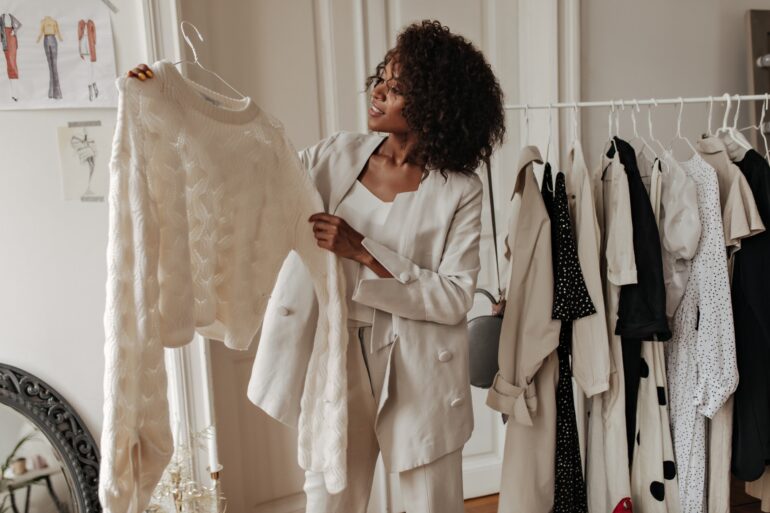
Impulse buys and trend-driven shopping can leave wardrobes full but still hard to use. Many people fall into the same cycle: buy something exciting, wear it once, and forget it. Learning how to stop buying clothes you only wear once starts with small mindset shifts and better shopping habits.
When each purchase serves a purpose, getting dressed becomes easier and less wasteful. A few changes can help break the pattern and support a more sustainable approach to fashion.
Why Do One-Time Outfits Happen?
Occasion-based shopping drives a lot of single-use clothing. Weddings, parties, and seasonal events often push people toward items they may not wear again.
Trends also play a role. Fast-moving styles encourage quick purchases that lose appeal just as quickly. Without a clear plan for wearing an item again, it ends up sitting unused.
Recognizing these patterns makes it easier to pause before buying.
Build A Wardrobe Around Versatility
Versatile clothing works across different settings. Instead of focusing on one-time looks, choose pieces that adapt to multiple outfits.
Neutral tones, simple cuts, and classic styles make mixing and matching easier. For example, black formal evening gowns remain popular because they can suit different events with small styling changes.
Before buying something new, consider at least two ways to wear it. That quick check can help filter out items that only serve a single moment.
Shop With A Clear Plan
Walking into a store or browsing online without a goal increases the chance of impulse purchases. A plan helps keep choices focused.
Ask a few quick questions before buying:
- Where will I wear this more than once?
- Does it match items I already own?
- Will it work across different occasions?
If the answer feels uncertain, it may not belong in your wardrobe.
Pay Attention To Quality And Fit
Clothes that fit well and feel comfortable get worn more often. Poor fit or low-quality fabric can make even a stylish item hard to wear again.
Check how a piece feels when you move. Look at stitching, fabric weight, and overall construction. When clothes hold up over time, they stay in regular rotation instead of becoming a one-time purchase.
Create Outfits Before You Buy
Visualizing outfits before making a purchase can prevent regret later. Think about how the new item fits into your current wardrobe.
Lay out existing pieces at home and picture combinations. If you struggle to build outfits around a new item, that signals a potential one-time wear.
Planning ahead keeps your wardrobe cohesive and easier to use.
Slow Down The Buying Process
Fast decisions often lead to short-term satisfaction and long-term clutter. Slowing down gives you time to decide if you truly need an item.
Wait a day or two before completing a purchase. This pause helps separate impulse from intention. Over time, this habit reduces unnecessary buying and supports more thoughtful choices.
A More Intentional Way To Dress
Breaking the cycle of one-time outfits takes awareness and consistency. Small shifts in how you shop and plan outfits can reshape your wardrobe. Once you get a handle on how to stop buying clothes you only wear once, getting dressed each day feels simpler and less wasteful.