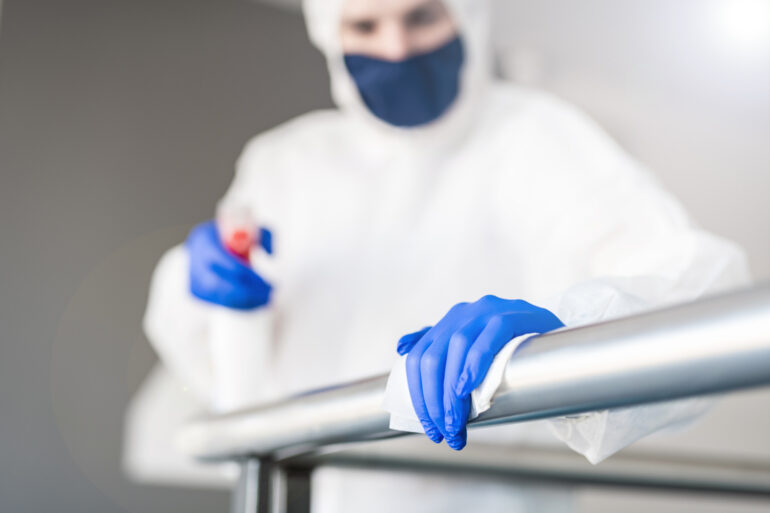
Effective hard surface disinfection is critical in maintaining clean and safe environments, especially in healthcare settings, workplaces, and public facilities. Yet, despite best efforts, there are still crucial aspects of surface disinfection that are often neglected.
Addressing these gaps will make a significant difference in preventing the spread of harmful pathogens. We’re discussing the often-overlooked parts of hard surface disinfection and the dangers of such neglect.
Frequently Missed Spots During Disinfection
Even with regular cleaning routines, some high-touch areas tend to be overlooked. Door handles, light switches, elevator buttons, and remote controls are often hotspots for bacteria and viruses due to frequent use. These surfaces accumulate germs quickly, making them key targets for thorough disinfection.
Facility managers and cleaning professionals should include these often-missed areas in standard cleaning protocols and make sure they receive the same attention as more obvious spaces, such as desks or counters.
The Importance of Contact Time
Many people assume that a quick wipe is enough to disinfect a surface effectively, but this is not the case. Every disinfectant comes with a manufacturer-recommended contact time, which is the period the solution needs to remain wet on a surface to kill pathogens effectively.
Cutting corners by wiping down surfaces hastily reduces the effectiveness of the disinfectant, leaving harmful organisms behind. Proper adherence to these contact times ensures maximum efficacy by reducing the risk of contamination.
Ensuring Correct Dilution for Disinfectants
Using a disinfectant at the proper dilution is essential for achieving optimal results. Over-diluting reduces the disinfectant’s ability to kill pathogens, while using overly concentrated solutions can leave behind harmful residues or damage surfaces.
Cleaning professionals must pay close attention to product guidelines and use measuring tools to achieve the correct dilution every time. Educating teams on such practices will prevent common errors that compromise sanitation.
Addressing the Challenge of Biofilms
Biofilms, layers of bacteria encased in a protective matrix, are a persistent issue that regular disinfection might not fully address. These formations shield harmful pathogens from the effects of traditional cleaning methods by allowing them to thrive on surfaces.
Advanced solutions like Curis System hard surface disinfection create an environment where biofilms are effectively eradicated. This approach ensures that even the most stubborn layers of microbial defense are eliminated, contributing to a more robust disinfection process.
The Role of Regular Staff Training
Even the best tools and disinfectants are only as effective as the people using them. Cleaning and disinfection protocols continue to evolve, driven by updates in research and technology.
Regular training ensures that cleaning professionals stay up-to-date with the latest methods and understand the importance of following specific guidelines. Refresher courses and hands-on workshops are invaluable for reinforcing best practices and addressing gaps in knowledge or technique.
To maintain truly clean spaces, it’s crucial to focus on these often-overlooked aspects of hard surface disinfection. Expanding routines to cover frequently missed spots, ensuring proper contact time and dilution, tackling biofilms with advanced solutions, and investing in ongoing training for cleaning teams will significantly enhance sanitation standards. Take these steps today to make a lasting impact on the safety and health of your facilities.