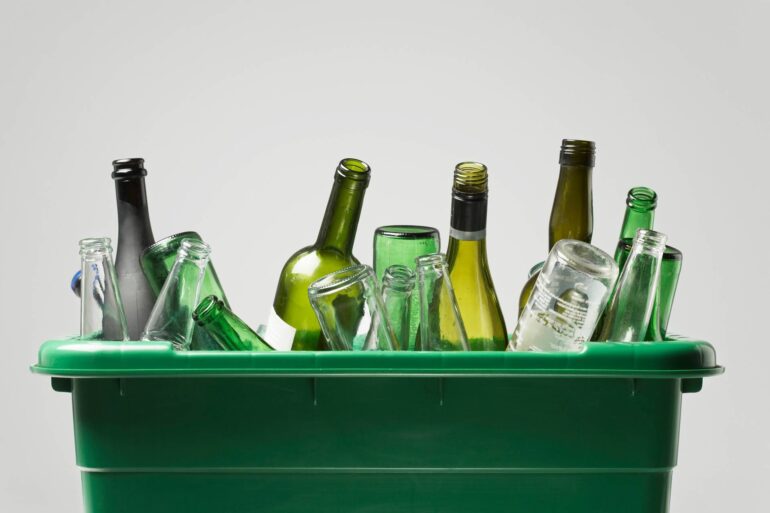
Sorting glass by color might seem like an unnecessary step when gathering your recyclables, but it makes a huge difference in the glass recycling process. Recycling correctly not only benefits the environment but also supports the production of high-quality products while conserving energy. Curious about why color sorting is a big deal? Continue reading to discover why you should sort by color when recycling glass.
Prevents Contamination
When you mix glass bottles and jars of different colors, contamination becomes a real issue. Colored glass, like green or brown, has specific chemical compositions that give it its unique pigmentation. Mixing these with clear glass can degrade the quality of the recycled materials, making them unusable for certain products, such as transparent containers. By keeping colors separate, recycling facilities can avoid these problems and make full use of the glass you recycle.
Simplifies the Recycling Process
Glass recycling plants run more smoothly when materials arrive properly sorted. Clear, green, and brown glass each have distinct processing needs. When you sort glass by color, it saves an enormous amount of time and energy at the facility. Workers and machines don’t have to remove contaminants or spend hours sorting through mixed glass. This streamlined process speeds up recycling, letting facilities process higher volumes more efficiently.
Lowers the Melting Temperature
Did you know sorting glass by color can lower the resources required for its recycling? Here’s how it works. When professionals melt glass for reuse, separating colors helps achieve the specific temperatures needed for different types of glass. Mixed glass often raises the required melting point, which consumes more energy during recycling. By sorting ahead of time, recycling facilities can reduce energy waste and make the entire process more sustainable.
Maximizes Resource Use
Glass is infinitely recyclable, but mixing colors can limit its reusability. Brown glass is often recycled into new brown containers, while clear glass can become nearly anything, including wine bottles, jars, or fiber optics. When colors stay mixed, it’s tough to repurpose the glass without resorting to costly and inefficient methods. Sorting by color allows every piece of glass to reach its full potential in future applications.
Creates Higher-Quality Recycled Glass
The quality of recycled glass directly impacts how manufacturers can reuse it. Mixed-color glass often results in lower-grade, cloudy products that aren’t suitable for many industries, particularly food and beverage packaging. Keeping clear, brown, and green glass separate will guarantee cleaner end products that meet higher manufacturing standards. Here’s an interesting fact about glass recycling to consider: Clear glass is the most versatile type since it can be used repeatedly for a variety of new items, which is why sorting is so critical.
Small Effort, Big Impact
Sorting glass by color might not feel like a monumental task, but it has a ripple effect on the recycling chain. From supporting more efficient recycling processes to creating higher-quality products, it’s an easy way to benefit the planet. Start sorting your glass at home today, and take pride in knowing that your small habit creates a big, lasting impact!