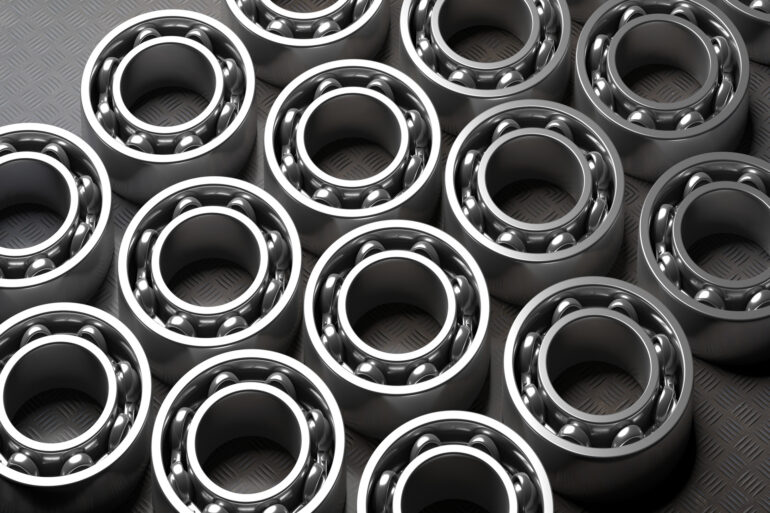
Babbitt bearings are essential components in heavy industrial machinery, supporting rotating shafts in everything from turbines to large motors. Made from a soft, tin-based alloy, these bearings provide a low-friction surface, crucial for smooth operation. However, their soft nature also makes them susceptible to damage if not properly maintained. Implementing a consistent preventive maintenance plan is the key to avoiding costly downtime and extending the service life of your equipment. Below are preventive maintenance tips for Babbit bearings.
1. Conduct Regular Visual Inspections
One of the simplest yet most effective maintenance practices is performing regular visual checks. Look for signs of wear, such as flaking, scoring, or discoloration on the bearing surface. Pay close attention to the clearance between the bearing and the shaft; excessive clearance can indicate wear and lead to operational issues. Also, check for external signs of distress, like cracks in the housing or leaking seals. Catching these issues early can prevent more significant problems down the line.
2. Follow Lubrication Best Practices
Proper lubrication is the lifeblood of any Babbitt bearing. Always use the correct type and grade of lubricant specified by the manufacturer. Contaminated or insufficient lubrication is a leading cause of bearing failure. Establish a regular schedule for checking lubricant levels and quality. Look for signs of contamination, such as water, debris, or a milky appearance, which signal that it is time for an oil change. A clean, consistent supply of lubricant maintains the protective oil film that separates the shaft from the bearing surface.
3. Monitor Operating Temperatures
Excessive heat is a clear warning sign of trouble. Consistently monitor the bearing’s operating temperature using infrared thermometers or embedded sensors. A sudden temperature spike often points to lubrication problems, misalignment, or overloading. Establishing a baseline temperature for normal operation will help you quickly identify deviations that require immediate attention. Addressing high temperatures promptly can prevent the Babbitt material from wiping or melting.
4. Perform Vibration Analysis
Every machine has a unique vibration signature during normal operation. Regular vibration analysis can detect subtle changes that are invisible to the naked eye. An increase in vibration levels often indicates developing issues like shaft imbalance, misalignment, or advanced bearing wear. By tracking these trends over time, you can schedule maintenance before a catastrophic failure occurs, turning a potential emergency into a planned repair.
5. Implement an Oil Analysis Program
For a deeper look into the health of your bearings, an oil analysis program is invaluable. Sending lubricant samples to a lab for analysis can reveal the presence of wear particles, contaminants, and oil degradation. This information provides a detailed picture of what is happening inside the bearing. It can confirm the effectiveness of your lubrication practices and is a critical tool in a thorough Babbitt bearing failure analysis to understand root causes.
6. Use Proper Storage Techniques
Maintenance extends to how you store spare Babbitt bearings. Keep them in a clean, dry, and climate-controlled environment to prevent corrosion and contamination. Store them flat and in their original packaging to protect the delicate bearing surface from nicks or scratches. Improper storage can damage a bearing before installation, leading to premature failure once it’s in service.
By integrating these maintenance tips into your routine, you can drastically extend the life of your Babbitt bearings and improve the reliability of your machinery. If you need expert assistance with bearing repair or maintenance, contact our team to see how we can support your operations.