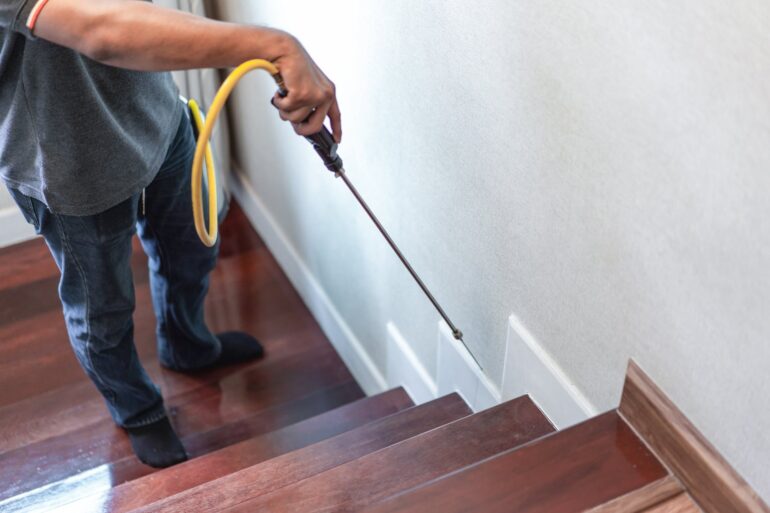
No one wants uninvited guests, especially when they come in the form of ants, rodents, or other pesky intruders. Unfortunately, many homes have vulnerable spots that make it easy for pests to enter. Knowing these entry points can help you guard your space more effectively so your home remains safe and pest-free.
Stay proactive by identifying the top seven common entry points for pests in your home and learning how to address them effectively.
1. Doors and Windows
Gaps around doors and windows allow pests like spiders, ants, and small rodents to enter. Check and replace damaged weather stripping or door sweeps regularly. Install door bottoms or draft stoppers to seal gaps. Keep areas clear of debris and vegetation, and seal cracks in walls or foundations. These steps help keep pests out.
2. Foundation Cracks
Small cracks in the foundation may seem harmless at first, but they can serve as entry points for pests like termites and ants, which can cause significant damage over time.
To protect your home, seal these cracks with high-quality caulk or concrete filler, ensuring a tight seal that blocks pests and prevents moisture intrusion. Addressing these small issues promptly can save you from costly repairs later on.
3. Vents and Ducts
Attic vents, dryer vents, and HVAC ducts can provide entry points for pests such as birds, bats, and rodents into your home. Installing fine mesh covers over these vents creates a barrier that keeps pests out while allowing airflow to pass through. This simple solution helps prevent infestations and maintains a cleaner, safer home.
4. Plumbing and Utility Openings
Pests such as cockroaches and mice can enter through small gaps around plumbing, utility lines, and vents. Seal these with steel wool or expanding foam to prevent entry, while maintaining functionality in the areas. Inspect utility entry points thoroughly to find hidden vulnerabilities and improve pest prevention.
5. The Garage
Garages often have small gaps or cracks near the ground where pests such as rodents and insects can easily squeeze through. Rodents, seeking shelter or food, and insects looking for warmth and moisture, can quickly establish their presence inside.
To prevent this, install a proper threshold seal or weather stripping under garage doors, which effectively blocks these entry points and keeps unwanted pests out.
6. The Chimney
Birds, squirrels, and even raccoons often find chimneys to be a cozy haven for shelter and nesting. To prevent these animals from entering your chimney and potentially causing blockages or damage, it’s advisable to install a high-quality chimney cap or mesh cover that securely fits over the opening. This addition keeps the chimney pest-proof, ensuring it stays safe and functional year-round.
7. The Roof
Loose shingles, gaps in soffits, or damaged flashing can allow pests like raccoons, rats, and birds to enter, potentially leading to infestations inside your attic. Regular maintenance, inspection, and sealing of small openings can prevent access.
During seasonal clean-ups, thoroughly examine these areas, paying close attention to the condition of shingles, soffits, and flashing, to catch and address any issues early before they become major problems.
Taking the time to address these common entry points for pests in your home will save you from costly problems later. Implement these safeguards now to protect your space and enjoy peace of mind. Focus on all the access points listed above to secure your home.