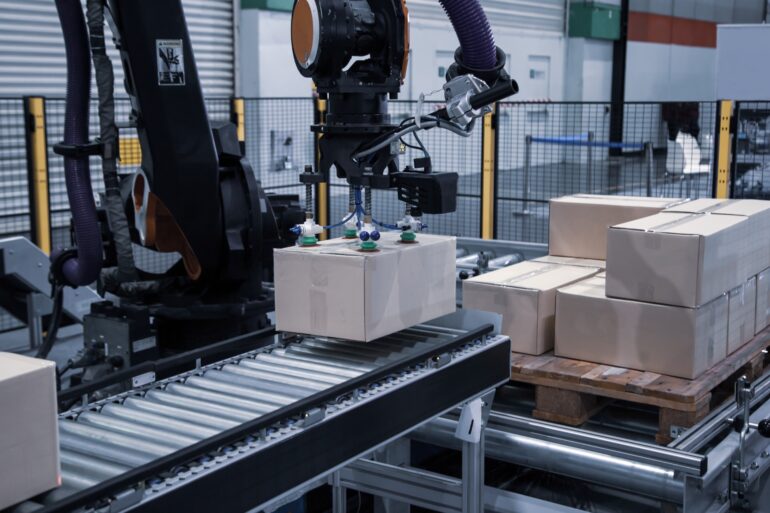
Warehouse automation ROI has become a critical topic as companies push for faster fulfillment and tighter margins. Automation no longer sits on a wish list. It drives real operational results when leaders plan it correctly.
Decision-makers want clear numbers, measurable gains, and predictable timelines. A smart automation strategy delivers efficiency, accuracy, and long-term savings. Leaders who understand return on investment can justify capital expenses, reduce risk, and build scalable operations that support future growth without constant labor increases.
Understanding the True Cost of Manual Operations
Manual warehouse processes drain resources and impact every aspect of your operations. Labor costs rise each year, turnover disrupts workflows, and human error creates rework and returns. Overtime adds pressure during peak seasons, which cuts into margins. Safety incidents also increase costs through downtime and claims.
Automation reduces these variables. Robots, conveyors, and smart software handle repetitive tasks with speed and consistency. Leaders who compare current labor expenses with automation investments often discover that long-term savings outweigh upfront costs.
Measuring Performance Gains That Matter
Strong ROI depends on measurable performance improvements. Automation increases order accuracy, shortens fulfillment times, and improves inventory visibility. Faster picking and packing allow warehouses to process more orders without adding staff.
Consistent throughput supports reliable delivery timelines, which strengthens customer trust. Equipment selection also affects results.
Leaders must evaluate system specifications, such as the rated capacity of vertical and horizontal lifts, to ensure the equipment meets operational demands. Clear benchmarks before and after implementation help leadership teams track gains and validate their investment decisions.
Reducing Risk and Increasing Scalability
Warehouse automation strengthens operational stability. Automated systems follow programmed rules, reducing errors and improving compliance. Predictable workflows lower the chance of bottlenecks during high-volume periods.
Leaders also gain flexibility. Scalable systems allow companies to expand storage, integrate new software, or increase output without rebuilding entire facilities. Automation supports business growth without the need for constant hiring cycles. When companies plan for expansion from the start, they avoid costly retrofits and maintain steady performance as demand increases.
Building a Long-Term Investment Strategy
Automation requires a strategic mindset. Leaders should align technology investments with long-term business goals instead of chasing trends. A phased approach often works best. Companies can automate high-impact areas first, analyze results, and expand from there. Vendor partnerships, employee training, and maintenance planning also influence ROI.
A well-executed implementation plan keeps operations running smoothly and ensures you get the most out of your automation investment. When leadership treats automation as a long-term investment rather than a short-term fix, financial returns improve year after year.
What leaders need to know about warehouse automation ROI ultimately centers on clarity, planning, and measurable outcomes. Leaders who evaluate costs, track performance metrics, reduce risk, and plan for growth position their operations for sustained success. Smart automation decisions strengthen profitability while supporting reliable service and scalable expansion.