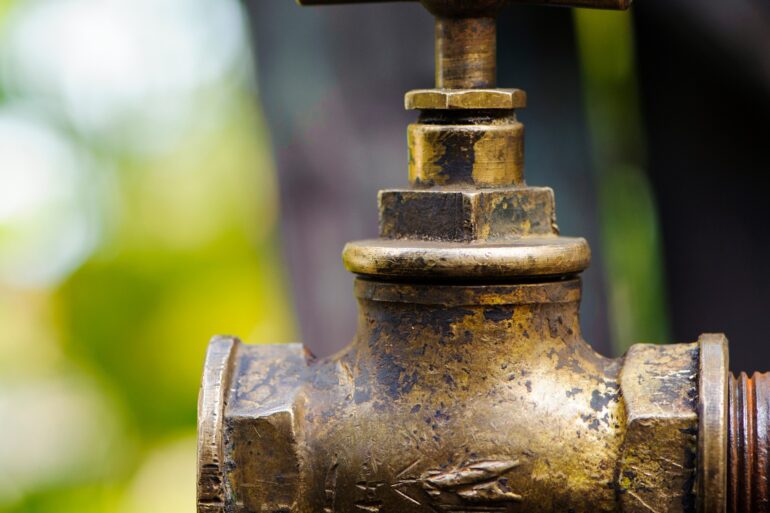
The materials used in a plumbing system will greatly impact its functionality, safety, and long-term performance. Brass is a popular choice due to its strength, corrosion resistance, and malleability.
However, like any material, it has its own set of drawbacks. Here are some importantThis guide breaks down important factors to consider before installing brass fittings or pipes into your plumbing system.
Pros of Using Brass in Plumbing
Brass is renowned for its exceptional durability and corrosion resistance. It withstands high temperatures and is unlikely to crack under pressure. Brass fittings and pipes can also last for decades when maintained properly.
The metal’s malleability makes it simple to mold, allowing for versatile applications across residential, commercial, and industrial plumbing systems. Additionally, its compatibility with hot and cold water applications enhances its broad appeal.
Cons of Using Brass in Plumbing
While brass offers numerous benefits, there are also some drawbacks to consider before installing it. One concern is the cost; brass is typically more expensive than materials like PVC or steel. While this higher price often translates to long-term savings due to its durability, it may not always fit within tight project budgets.
Another downside is that prolonged exposure to water with high chlorine content may cause dezincification, a process that weakens brass over time. Vulnerabilities lead to potential system leaks, requiring additional preventative measures.
Types of Brass Fittings and Their Uses
Brass plumbing systems offer a wide range of fittings. Pipe connectors and couplings join sections of pipes together seamlessly for a secure, watertight connection. Compression fittings are ideal for creating watertight seals in systems under moderate pressure, while threaded fittings work well for easy assembly and disassembly.
All-brass valves are advantageous for controlling water flow because they’re exceptionally reliable. Whether it’s a small-scale residential project or a large industrial system, brass fittings will improve the functionality of the plumbing system.
Local Plumbing Codes and Brass Use
Research local, state, and international building codes before making infrastructure changes. Legislators often have specific guidelines regarding the use of certain materials in plumbing systems, including brass. Some regions may restrict the use of brass in drinking water applications in the case of insufficient lead content standards.
Before installing brass plumbing components, familiarize yourself with these regulations and obtain approvals to prevent compliance issues and costly revisions down the line. Consult with a licensed contractor or building authority to ensure the materials you choose align with local requirements.
Deciding to use brass in your plumbing system requires weighing the advantages against the potential drawbacks. Consider factors like longevity, application type, cost, and environmental conditions before proceeding.
Always prioritize safety and compliance by using high-quality, certified materials and staying informed about local codes. If you’re unsure about which plumbing components best suit your project, consult a qualified professional for guidance. Choosing the right material now saves time, money, and headaches in the future.