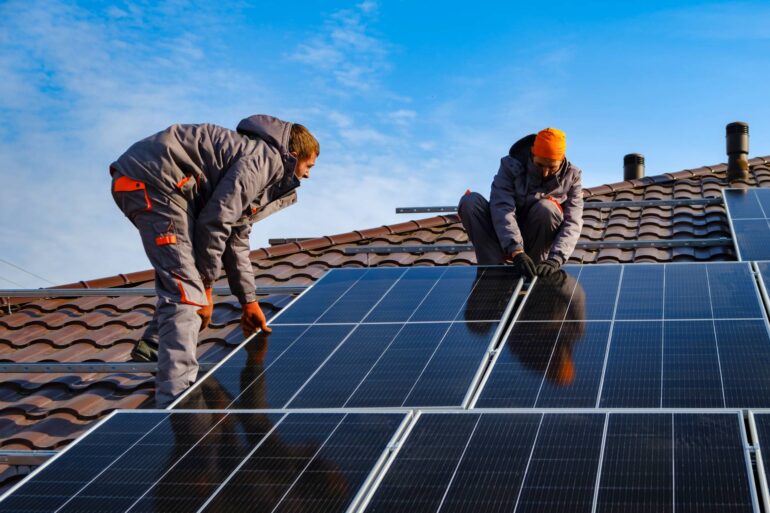
Harnessing the power of the sun through solar panels is a fantastic way to reduce energy costs and promote sustainability. However, like any technology, solar panels can experience wear and tear over time.
Whether due to age, weather damage, or a drop in energy output, understanding the signs you might need to replace your solar panels ensures you continue to get the most out of your investment. In this guide, we’ll help you identify common indicators that it might be time to update your solar setup.
Decreased Energy Output
When you first installed your solar panels, your energy savings were likely significant; over time, though, you might notice a dip in those savings. If your electricity bills start creeping up or your panels aren’t producing as much power as they used to, it could be a sign that they’re not performing at their best.
Keep in mind that a regular solar panel maintenance routine might resolve the issue if there’s too much buildup of dirt and grime. However, if you’ve ruled that out, it might be time to look into having a professional check your panels.
Visible Damage
Taking a close look at your solar panels can reveal signs of physical wear and tear, including cracks, scratches, or discoloration on the surface of the panels. Such damage isn’t just cosmetic—cracks can allow moisture to seep in, affecting the internal components and overall efficiency.
Additionally, if you notice any hot spots or burn marks, it could indicate electrical issues like short circuits. Checking your panels regularly, especially after severe weather events, can help you spot any damage that could indicate the need for a replacement.
Outdated Technology
Technology is constantly evolving, and solar panel technology is no exception. If it’s been 15 to 20 years since you installed your solar panels and they’re not performing like they used to, this is a sign that you might need to replace them.
Newer panels are more efficient and reliable, potentially offering increased energy production and better resilience against damage. Additionally, advancements like solar cells with higher conversion efficiency or improved materials might make it worth considering an upgrade.
Frequent Inverter Issues
The inverter is a crucial component of your solar energy system, as it converts the DC electricity that your panels generate into AC electricity for your home. If you’re experiencing frequent inverter issues, this could be a sign of underlying problems with your panels.
Watch out for any error messages on the inverter display or any irregularities in your energy usage patterns. Sometimes, the problem can be as simple as a loose connection, but persistent issues could point to panels that aren’t functioning as they should.
Your solar panels play an important role in your household’s energy sustainability. Taking the time to assess their condition and make necessary replacements can uphold your eco-friendly standards. With these tips in mind, you’ll be better prepared to enjoy the benefits of solar energy for years to come.