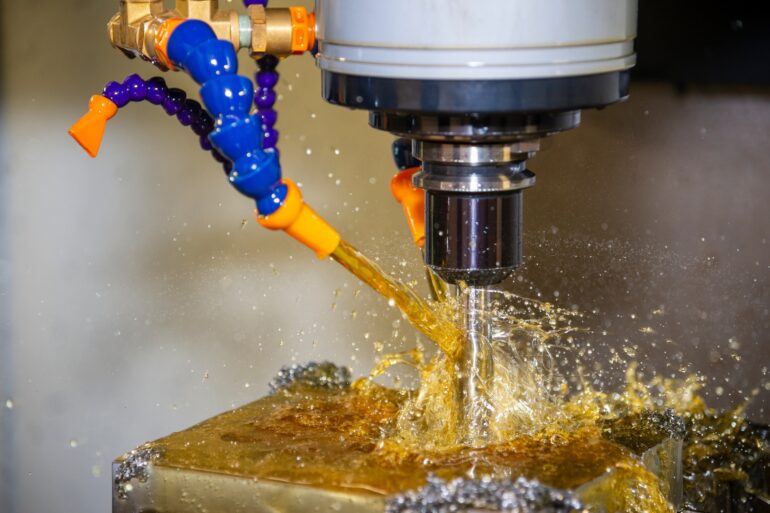
CNC machining plays a pivotal role in modern manufacturing, delivering precision and efficiency. An essential aspect of optimizing CNC machine performance lies in the use of industrial lubricants. These lubricants enhance performance and extend equipment life.
Understanding the various types of lubricants and their applications is crucial for businesses reliant on CNC technology. This guide outlines the different types of industrial lubricants in CNC machining and their primary uses.
Cutting Oils
Cutting oils are among the most common lubricants used in CNC machining. Their primary purpose is to reduce friction during metal-cutting processes by creating a thin film between the tool and the material. Cutting oils prevent wear and tear on tools, enhancing their durability. Additionally, they support smoother finishes on machined parts and reduce heat buildup during machining, which is critical for avoiding overheating issues.
Many businesses find success with cutting oils as they deliver cost savings and precision simultaneously. However, care must be taken to avoid residue buildup during use, as improper cleaning will strain machine components.
Coolants
Coolants serve a dual purpose in CNC machining. They lubricate and maintain ideal operating temperatures during intensive processes. Excessive heat can harm CNC machines and compromise material precision, and coolants prevent this by dissipating heat rapidly. They are typically water-based, mixed with additives to control corrosion or microbial growth, and are ideal for high-speed and heavy-duty applications.
Regular monitoring of coolant levels and quality is key because degraded coolants lose their effectiveness. When cleaning machines, avoid leaving coolant residue behind, as it can interfere with system efficiency and lead to corrosion over time.
Synthetic Lubricants
Synthetic lubricants bring advanced performance and longevity to CNC machining. Designed with engineered compounds, these lubricants are versatile, offering high-temperature stability, minimal evaporation, and resistance to oxidation. Synthetic lubricants excel in applications requiring consistent performance under challenging conditions, such as work involving high torque or abrasive materials.
While they may have a higher initial cost compared to other options, their efficiency and durability often make them a worthwhile investment for businesses operating on a scale. One cleaning mistake to avoid here is neglecting the removal of synthetic residues, which may reduce their effectiveness if left unaddressed.
Grease
Grease is the go-to lubricant for areas of CNC machines requiring prolonged lubrication and minimal maintenance. Its thick consistency makes it ideal for parts subject to heavy loads or frequent movements, such as bearings, slides, and gears. Grease forms a protective layer that prevents contaminants from entering sensitive components, ensuring long-lasting performance.
However, it’s essential to use it sparingly in CNC applications to avoid attracting dirt or causing clogging. When applying grease, operators must make sure old grease is thoroughly cleaned from surfaces beforehand. Skipping this step will hinder machine performance and increase maintenance needs, directly and negatively impacting operational efficiency.
Choosing the correct lubricant for CNC machines significantly impacts their efficiency, durability, and overall output quality. Proper lubrication reduces wear and tear, minimizes downtime, and ensures smoother operations, saving businesses time and money. By understanding the unique strengths of different industrial lubricants and adopting best practices for application, businesses will fully leverage the potential of their CNC machining operations.