A well-maintained irrigation system is essential for keeping your lawn, garden, or commercial landscape healthy while conserving water and controlling costs. However, leaks in the system lead to water waste, high utility bills, and potential damage to your property.
Acting quickly when you suspect a leak saves you money but also ensures your system continues performing optimally. Here’s a closer look at what to do if you suspect a leak in your irrigation system.
Identify the Symptoms of a Leak
The first step is to identify the signs of a potential leak. Unusually wet patches on your lawn that persist even without recent rainfall are a common giveaway. These overly saturated spots often form where underground pipes may have been compromised.
Decreased water pressure at sprinkler heads or uneven watering patterns are also red flags. When water isn’t flowing as it should, it’s often due to leaks disrupting the system’s efficiency. Finally, take a close look at your water bill. A sudden, unexplained spike in water usage could indicate an issue within your irrigation system.
Visually Inspect Your Irrigation System
Once you’ve noticed symptoms of a potential leak, conduct a thorough visual inspection. Start with the visible irrigation components, such as pipes running along the surface. Check for cracks, splits, or small pools of water forming around these components.
Also, check for bubbling or gushing water while the system is running. These are strong indicators of severe leaks that demand prompt attention. For underground systems, look for ground heaving or sinking, which also signal damage below the surface.
Examine Valves for Signs of Leakage
Valves are an essential component of your irrigation system, so any issue here could disrupt performance. Begin by turning off the water supply and opening the valve boxes for inspection.
Carefully examine the valves for signs of moisture, rust, or puddling water. Leaking valves often result from wear and tear, loose fittings, or damaged seals. Tightening connections or replacing faulty components can address some valve issues, but persistent leaks may require professional help.
Inspect Sprinkler Heads for Inefficiencies
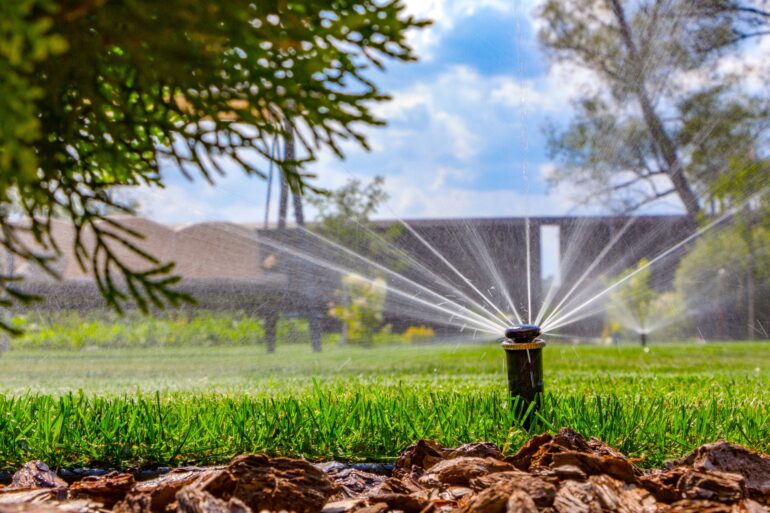
Sprinkler heads are another critical area to inspect when you suspect a leak. Broken, clogged, or misaligned heads waste water and impair irrigation coverage. If you notice water spraying in odd directions or heads refusing to retract after watering, inspect them closely.
Remove any debris blocking the head’s mechanism and make sure it’s correctly positioned. Replace any damaged sprinkler components to restore optimal performance. If one sprinkler head is persistently surrounded by water, it’s likely a leak is nearby.
Address a Leaking PVC Pipe
When leaks involve PVC pipes, addressing the issue promptly is crucial to avoid significant water waste. You can repair a leaking PVC pipe by first turning off the water supply and locating the damaged section. Cut out the compromised portion using a handsaw and replace it with a new PVC piece.
Secure the connection with PVC primer and cement, ensuring a watertight seal. Allow the cement to cure before reopening the water supply to prevent further leakage. And when in doubt, call a professional, that’s what they’re there for.
Leaks in an irrigation system are wasteful and costly, but quick action can limit the damage. By identifying signs early, inspecting components, and addressing issues like damaged PVC pipes or faulty sprinkler heads, you will keep your system running smoothly.