If you run your own business, shipping products to customers is an important part of the process. If you’re dealing with perishables such as food, flowers, or pharmaceuticals, you have a lot of details to keep track of.
Understanding what mistakes to avoid when shipping perishable goods allows you to stay on top of things. The less you have to deal with damaged goods, dissatisfied customers, or financial losses, the smoother your business can run. Here’s what to keep in mind for smooth business operations.
Choosing the Wrong Type of Packaging
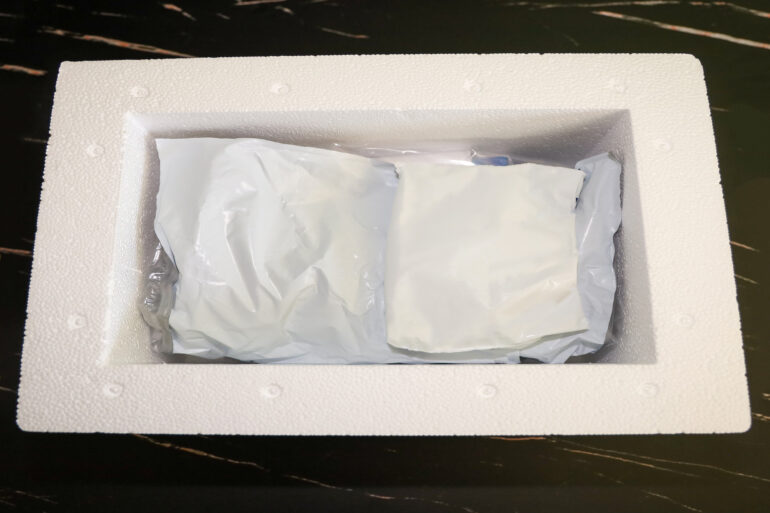
One of the most frequent mistakes when shipping perishable goods is selecting inadequate packaging materials. Perishables require sturdy, insulated packaging that can protect them from fluctuating temperatures and physical impacts during transit. While many businesses used to use EPS packaging (more commonly known as Styrofoam), these packages come with extra costs, so many businesses are opting for greener packaging options for perishable goods.
Insulated liners and thermal wraps help maintain internal temperatures. You want something that’s durable and can withstand the shipping process without the risk of crushing your products.
Overlooking the Importance of Timing
Failing to plan shipments around appropriate transit times is another common mistake. Even with the right packaging, time is a factor when mailing perishable goods. Try to avoid mailing products out on weekends or holidays since this can lead to costly delays.
Always schedule shipments early in the week to allow for sufficient transit time, and collaborate with carriers that offer expedited or overnight shipping services when necessary. Try to stay in the loop with tracking shipments and progress reports so that you can catch issues early and act accordingly.
Skipping Proper Temperature Control
Another common mistake to avoid when shipping perishable goods is using the wrong type of cooling agent. Many perishables require specific temperature ranges. For example, gel packs keep things cool for a while, but you may need the even colder temperatures of dry ice to mail seafood or similar products that must stay frozen.
Without temperature control, items can quickly become unsafe for consumption or lose their quality. Using gel packs, dry ice, or other temperature-regulating materials is essential for maintaining your products in optimal condition. You should always label your packages with clearly written notes that state “Perishable” or “Keep Refrigerated” to convey this essential information to carriers.
Shipping perishable goods requires careful planning and attention to detail. Start refining your shipping practices today to minimize the risks associated with delivering high-quality perishable items.